Why did you choose to write in your genre?
Women’s fiction (which some call Book Club Fiction) often explores themes that move readers, such as relationships, personal growth, and the challenges of balancing the roles of our lives. This genre has allowed me to address subjects, such as the opioid epidemic, catastrophic hurricanes caused by climate change and the spectrum of gender variation.
Character development is my favorite part. It allows me to delve into emotions, struggles, and triumphs. And I think this makes for compelling novels.
I also love the idea that my stories can spark conversations, whether about the characters’ decisions, societal issues, or personal experiences we can share together in discussions.
Are you a full-time or part-time writer, and how does that affect your writing?
I was a part-time writer for many years because I was still teaching mathematics. With three growing sons to feed, teaching was a satisfying way to put food on the table. When my kids were launched into the world, full-time writing became my focus.
And I am now full full-time with an ambitious schedule and timeline that includes fiction, non-fiction and journalism. My commitment is to write every day. This allows for a more structured routine, rewarding me with a deeper immersion into my writing process.
What have you written so far?
I have written four novels (well five, if you count the one I am working on now).
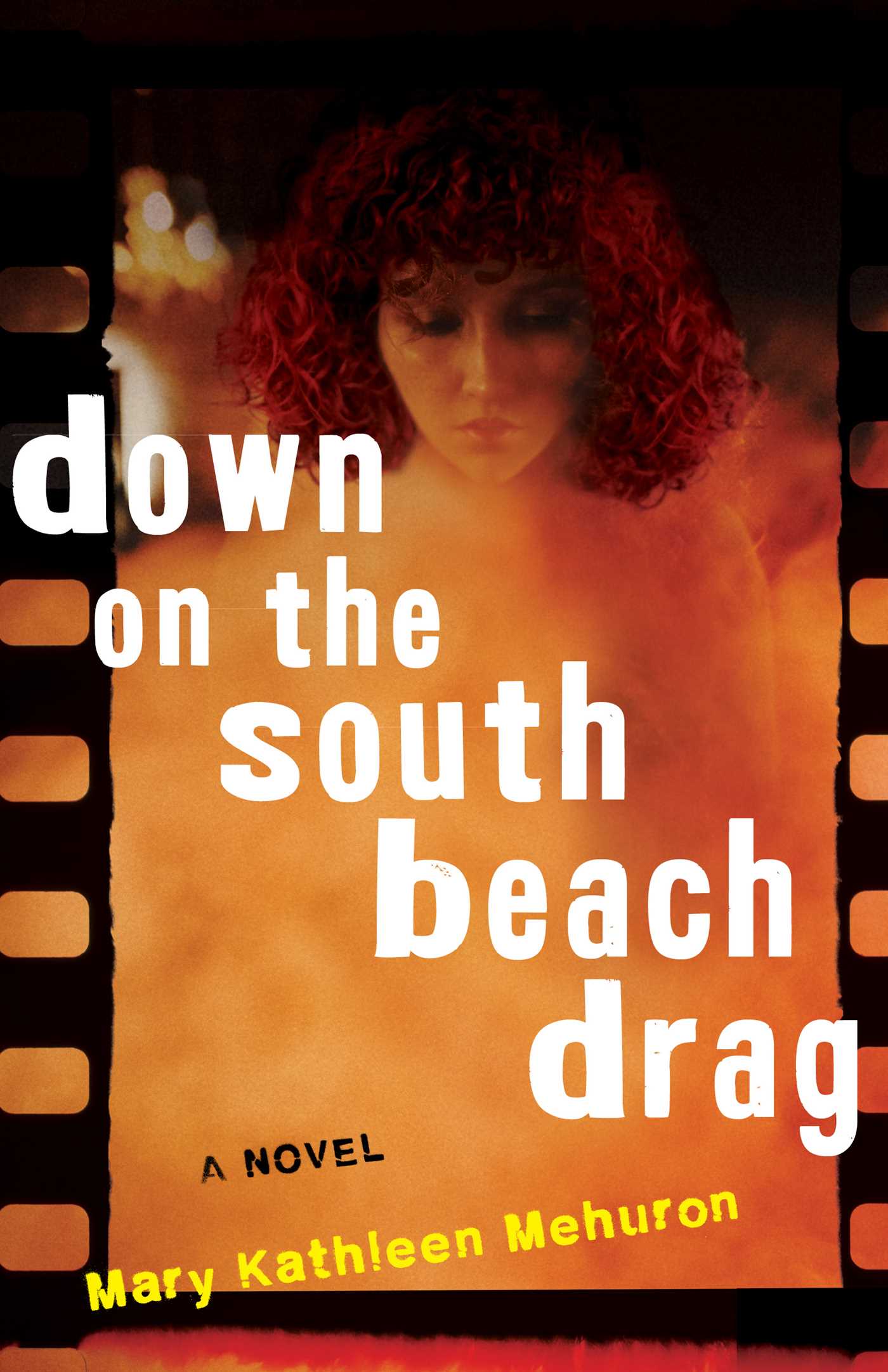
My new novel, Down on the South Beach Drag, launches on July 15th. But I’ve also published Fading Past, The Opposite of Never, and The Belonger.
In addition, I have a newspaper column called Take Me Back in our local paper, The Valley Reporter. I’m kind of a history detective, roaming around learning about our history.
When the column became successful I wanted to figure out a way to give back to my community in The Mad River Valley of Vermont. We became a 501(c)(3) non-profit and launched a book as a fundraiser. All local artists and writers donated their work, and businesses paid for the design and printing.
It is called Take Me Back: An Anecdotal History on the Mad River Valley. Each printing is unique as a keepsake edition for families to treasure for generations.
Do you work with an outline or plot sketch, or do you prefer to let a general idea guide your writing?
I went totally by the seat of my pants writing my first two novels. Then my son, who is a filmmaker, began to teach me that I was wasting time and throwing away pages because I wasn’t planning my books. For the last few years I have studied story beats and arcs. I have them in the right place before I let myself flow with the creative part. My approach is hybrid. It seems to be working well. I’m writing my 5th novel now.
What advice would you give to aspiring authors?
Just do it. Sit down and write. Take classes. Join an author group and listen carefully. Read other authors in your genre. I also like these pieces of advice:
“Start writing, no matter what.” -Louis L’Amour
“Get it down. Take chances.” -William Faulkner
“You might not write well every day, but you can always edit a bad page. You can’t edit a blank page.” -Jodi Picoult
Can you share a little bit about your latest book?
Down on the South Beach Drag is a vibrant exploration of life, love, and self-discovery set against the backdrop of carnival life on the Boardwalk of Asbury Park, New Jersey in 1972.
The story follows the journey of protagonist Maeve O’Connor navigating the complexities of relationships and personal ambition within the dynamic and sometimes chaotic environment of the Jersey Shore.
The book delves into themes of friendship, acceptance, and the pursuit of dreams, all while capturing the colorful essence of the time and place. I’m told this novel brings to life the sights, sounds, and emotions of Asbury Park in the day, making readers feel as though they are right there in the heart of the action.
A brief synopsis:
It’s 1972, and eighteen-year-old tomboy Maeve O’Connor must win a photography contest to escape her suffocating, conservative family and attend her dream school in Manhattan. But where will she find arresting subjects? Why, a washed up old seaside resort called Asbury Park, New Jersey—a place where sideshow entertainers, strippers, carnies, artists, and alternative lifestyles coexist on the boardwalk in plain sight.
To her great surprise, Maeve manages to talk her parents into letting her go for the summer. Immediately upon reaching Asbury Park, she meets and falls in love with Georgie, a young man with superstar talent, held back by the fact that he is androgynous. She befriends other undiscovered artists as well, including a man who breaks through with a hit album. But what price will she pay for embracing the bohemian lifestyle where she feels she belongs?
If your book was made into a movie, who would you cast?
I think about this a great deal because my son is the director and showrunner Jonathan C. Hyde. We have tossed this notion around, but the characters in my novel are young so we would have to see which actors were current.
But one thing I know for sure, my fantasy is that the score would be the musicians of the Shore Sound: Bruce Springsteen and Steven Van Zandt.
Tell us something unique about you.
Well, I will tell you what interviewers say is unique about me. I was a math and science teacher for decades.
Though I have a Bachelor of Science and two master’s degrees as part of my teacher training, I had never taken a writing class in a college setting until last year. Just for fun I applied to the graduate writing program at Savannah College of Art and Design and was accepted.
In my publicity interviews, the host is often surprised my brain can work in such different realms. They seem to think that the opposite of teaching math is writing novels. Like they are opposing skill sets. In truth, they are both forms of communication where you have to organize your thoughts logically in order to guide a reader through your process. Clarity is key.
Before I started writing full-time my job had daily deadlines. All the written materials for tomorrow’s classes were due the next morning. I know some teachers write up a program and never change a word, but I don’t think they are very good if that’s the case. One must reflect on the abilities of students in the class and make sure each can access the rigor of the work you are putting before them. Reflection on what went well the last time you taught a topic and what needed revision is important. And all must happen with your tomorrow deadline in mind.
Years of this made me both prolific and efficient.
When my first novel came out I was often asked, “But what made you think you could write a book?” And I would tell them that I was a teacher and, therefore, wrote every day of my life. Many non-teachers are startled by that. It is my training day in and day out that helped me learn how to create educational products. That is one form of inspiration.
The second are the insights I gained from working side by side with young people when research began to reveal to us that, as educators, we should move from student engagement toward student ownership. The National Institute for Excellence in Teaching wrote, “Student ownership is when teachers and students co-facilitate the learning.”
When students are owning their learning, they are doing more than just engaging: They are actively taking a role in leading their learning. When this happens, the teacher serves more.
My new novel, Down on the South Beach Drag, is the best thing I’ve ever written. So far.
Want to learn more about Mary Kathleen Mehuron?


Leave a Comment