
What have you written so far?
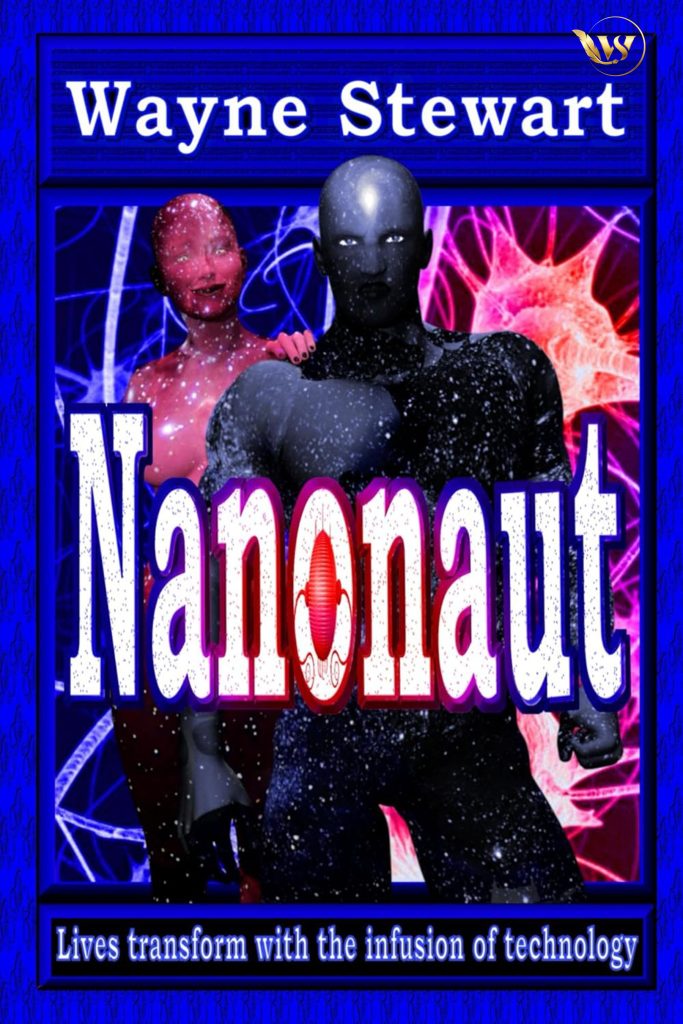
My books include In-Correction, Another Yard, Blithe, and Nanonaut. Another Yard is a coming-of-age story about a boy whose summer mowing lawns changes how he sees his neighbors. Nanonaut is adult science fiction. It also has a three-issue comic adaptation for young adult readers. There’s a bit of truth in every story, and those two books take that idea in very different directions.
What is the most important thing that people don’t know about your genre but that you would like for them to know?
One thing I’d like readers to notice is how much science fiction depends on ordinary human decisions. In Nanonaut, nanobots set the story in motion, but the part I want readers to think about is what Jeremy Dodd does after the accident. The technology gives him a problem he couldn’t have faced before. His choices are what make it his story.
Did you independently publish, or did you go the “traditional” publishing route, and why?
I publish independently. With Nanonaut, that gives me room to present the prose novel and the comics as distinct reading experiences and explain who each is intended for. It also makes the less visible parts of publishing my responsibility. I have to think about how someone finds the book, what they expect from its description, and whether they can tell which edition or issue they’re looking at.
How do you market or promote your books, and what strategies (e.g., social media, email, blog tours, in-person, etc.) have demonstrated the most success for you?
I use my author website, newsletter, and social media. For Nanonaut, I put together a reading guide because the title alone doesn’t tell someone whether they’re looking at the novel or one of the comics. I’m still learning what reaches readers. I can see when someone clicks through to a retailer, but that only tells me they were interested enough to look. It doesn’t tell me whether they bought the book, so I’m careful about calling any one channel my most successful.
Can you share a little bit about your latest book?
The project I’d like to share is Nanonaut. An accident involving nanobots transforms Jeremy Dodd’s life. Readers can follow that storyline in an adult science-fiction novel or in a three-issue comic adaptation for young adult readers. The comics start with Issue #1 and adapt the novel’s storyline. I’m interested in what each version asks of a reader. A prose passage can spend time inside a character’s point of view. On a comic page, a panel can give the reader something to notice before a character says a word.
Is there anything you find particularly challenging in your writing?
One challenge this project brings into focus is deciding how much to explain. A reader needs enough information about the nanobots to understand why the accident matters. How that information arrives also matters. Prose gives you room to stay with a thought or a detail. In a comic, you can sometimes let a panel carry that information and give the reader a moment to put it together.
What advice would you give to aspiring authors?
Try describing your book to someone in a few sentences. Start with the person at the center of it and what happens to them. You don’t have to explain everything you know about the world you’ve created. If you can give someone a reason to ask what happens next, you have a good place to start when you write your book description.
What is one great lesson you have learned as a writer?
Readers need a clear place to begin. With Nanonaut, I know how the novel and the comics fit together because I’ve spent so much time with the story. Someone seeing a cover or a link for the first time has none of that background. Explaining what each version offers helps them choose where to start and then discover the story for themselves.
Want to learn more about Wayne Stewart?


Leave a Comment