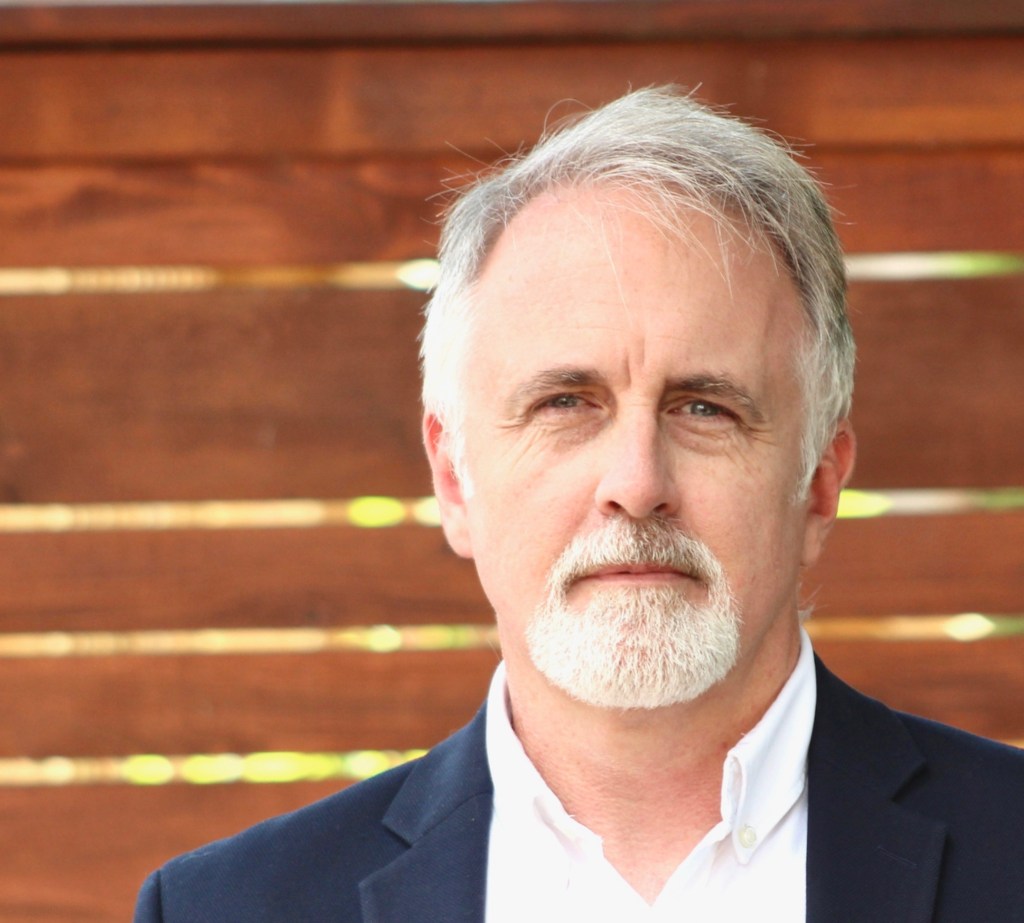
When did you first consider yourself a writer?
I still don’t really consider myself a “writer.” I came to it late in life, and really writing was just a byproduct of wanting to tell the story of Ranleigh Meeks. I don’t mean that the writing itself isn’t important or that I don’t take great care with it, but it remains secondary to telling Ranleigh’s story. So, strangely enough, even after self-publishing two novels, I still don’t think of myself as a writer.
What role does research play in your writing?
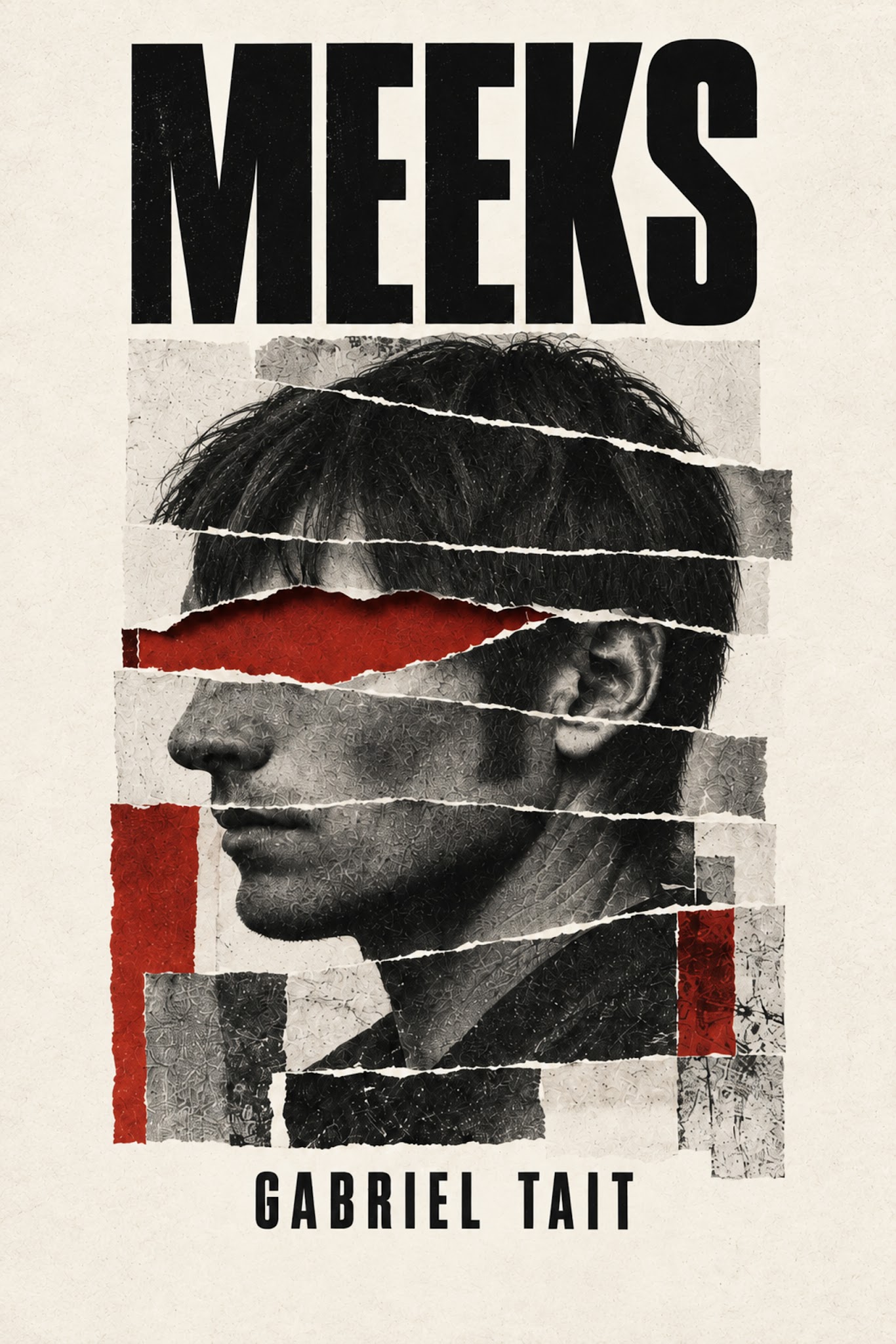
When I started Meeks, I had set it in the United States, and I’m Canadian. I began doing research on the places where I intended to set the novel, but that quickly became untenable. I’m too lazy to do all the research that would have been required, and I didn’t feel it was authentic enough to write about a place I had never been. So I went back to what I knew: the Canadian Prairies, which I’ve visited many times, and Toronto, where I was born and raised. With the first two books, very little heavy research was required. I did revisit areas of Toronto to make sure I got the look and feel right.
Why did you choose to self-publish?
If I’m being honest, I couldn’t really be bothered to chase publishers or try to get a book deal. I just wanted the story out there. That was a pretty modest ambition, I guess, when I published Meeks. I wanted to see how readers would connect with it. When I got to The Ranleigh Tapes, I stayed with self-publishing because I figured that if a publisher had picked up Meeks, they probably never would have approved the direction I took with the second book or the device I used to tell it. Self-publishing allows me to keep complete creative control over this series. Telling Ranleigh Meeks’s story in the way I want to tell it is more important to me than getting a publishing deal.
What was the hardest thing about writing The Ranleigh Tapes?
The hardest thing was the risk. The character is doing a fifth step in recovery with his sponsor, and if his voice hadn’t felt real, or if it had sounded too performative, the whole thing would have been ridiculous. But I think I managed to pull it off.
Another difficult part was writing Ranleigh’s fourth step. In the twelve-step world, that is basically an inventory of everything you never want to tell anybody. I created a smaller fourth-step inventory for Ranleigh containing about fifty points. I had to think through his life and childhood and structure everything as an inventory. When I reached the tape transcript and his fifth step, his confession came out of the fourth step I had already created. It was almost like method writing. But the hardest part was still the risk.
What did you enjoy most about writing The Ranleigh Tapes?
I really enjoyed thinking through Ranleigh’s childhood. Even more than that, I enjoyed creating the artifacts from his childhood that appear throughout the book. The premise is that he is transcribing a tape recorded while doing his fifth step in recovery with his sponsor, but I took it further by including pieces of his past.
The artifact I enjoyed most was a short story Ranleigh had written when he was ten years old. It is somewhat dark, and I had to write it in the voice of ten-year-old Ranleigh. It isn’t the adult Ranleigh remembering being ten; it is presented as something he actually wrote in Grade Five. That was challenging, but it was probably the part I enjoyed writing most.
What character in The Ranleigh Tapes did you most enjoy writing, and why?
The Ranleigh Tapes is almost a two-character play. Because it is presented as a tape transcript, nearly all of it is dialogue. So I would have to say that Ranleigh was the character I enjoyed writing most.
Do your characters talk to you? Do you listen to them?
I don’t know if my characters talk to me, but they certainly talk through me. Maybe that’s the same thing. And yes, of course I listen to them. I almost feel, strangely, as though they are real people. In some ways, they seem to suggest where they are going, how they are going to develop, or even the mistakes they are going to make.
What is the most valuable lesson you have learned through writing?
I don’t know that I learned this through writing. I probably learned it more through recovery, but the writing process has definitely reinforced it: be authentic, be honest, and don’t pay too much attention to what other people say. Be yourself, and that’s always enough.
If you could change one thing about the publishing or literary world, what would it be?
Using the word “literary” very loosely, I would change the growing use of AI as a creation tool for novels and stories. I also believe there should be some standards around people’s ability to write. If I sat down to write Meeks and found through that process that I was a lousy writer, I never would have released it publicly. I’m just not interested in wasting people’s time. But I knew enough about what makes a good book to know that it was pretty decent, in other words.
It’s the Wild West out there, so if I could change one thing, it would be the sheer amount of garbage that’s being released lately.
What is something unique about you that most readers wouldn’t know?
Most readers probably wouldn’t know that earlier in my life, I was a pretty good songwriter and a pretty good bass player.
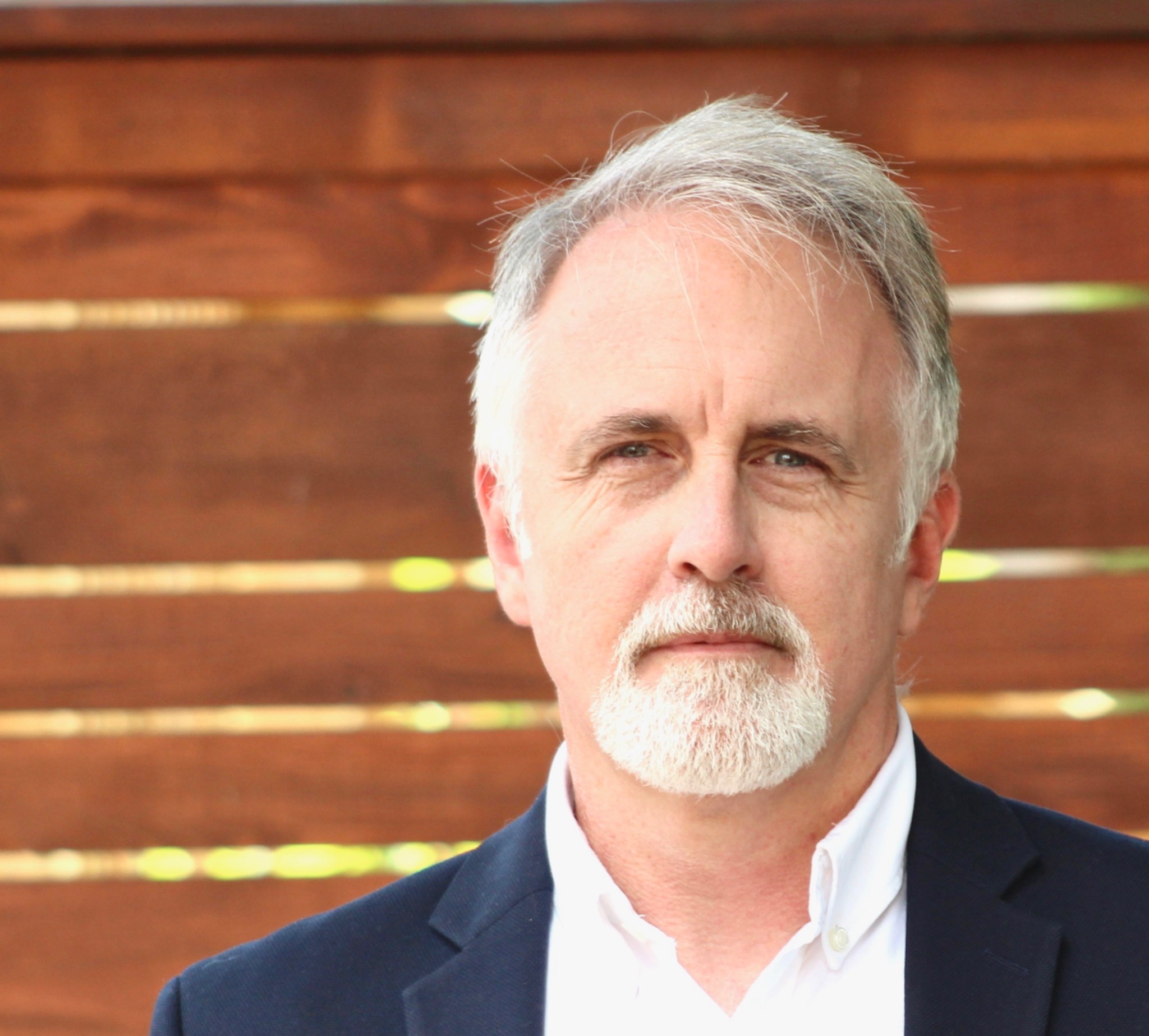
Want to learn more about Gabriel Tait?


Leave a Comment