-
Meet Sci-Fi Author, Von R. Coleman
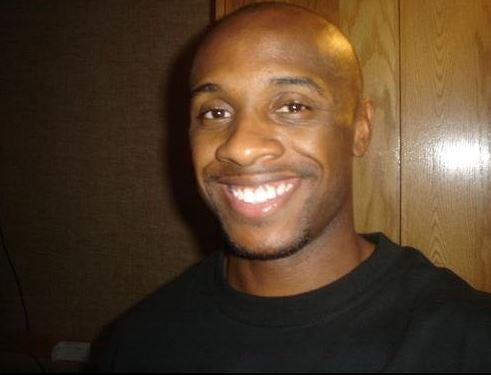
Von R. Coleman, science fiction writer and author of TIC ONLINE, recently sat down to discuss his writing journey and his latest work. When and why did you begin writing?My very first step to becoming an author began in 2003 when I served onboard the US Navy Destroyer USS Winston S Churchill. I was responsible…
-
Author Interview: Ana Claudia Antunes

When and why did you begin writing? For me, writing is so essential, like the air we breathe. I always wrote, since my childhood. I kept my memories in my diaries, wrote poems, wrote in notebooks of my colleagues at school. I always found a piece of paper to write out my memories or anything…
-
Author Interview: Jessica Hernandez
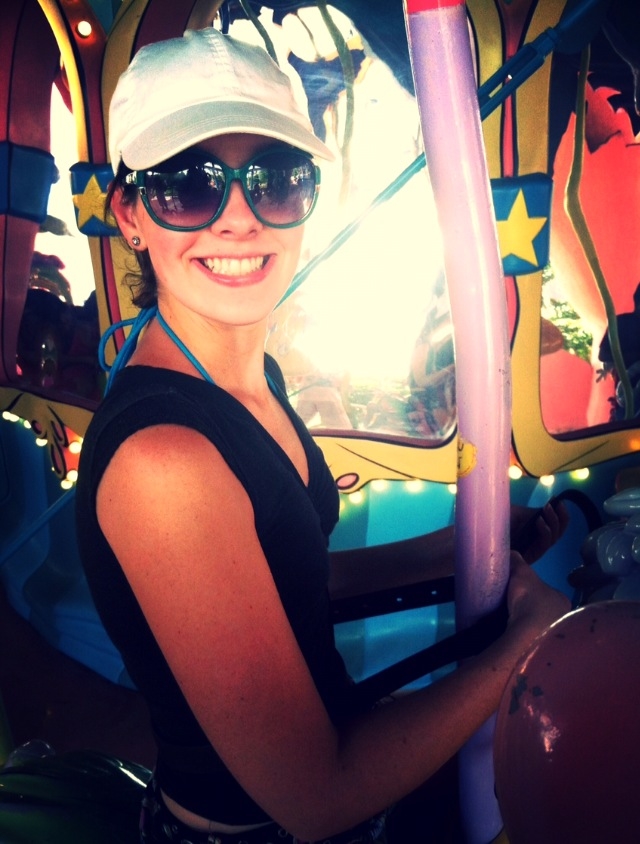
Jessica Hernandez, author of Capering on Glass Bridges, sat down recently to discuss her novel and writing process. What have you written so far? In August of 2015, I released my debut novel—a fantasy-adventure book entitled Capering on Glass Bridges. The storyline is probably best summed up by the blurb, so I’ll go ahead and…
-
Author Interview: Cearuil Swords
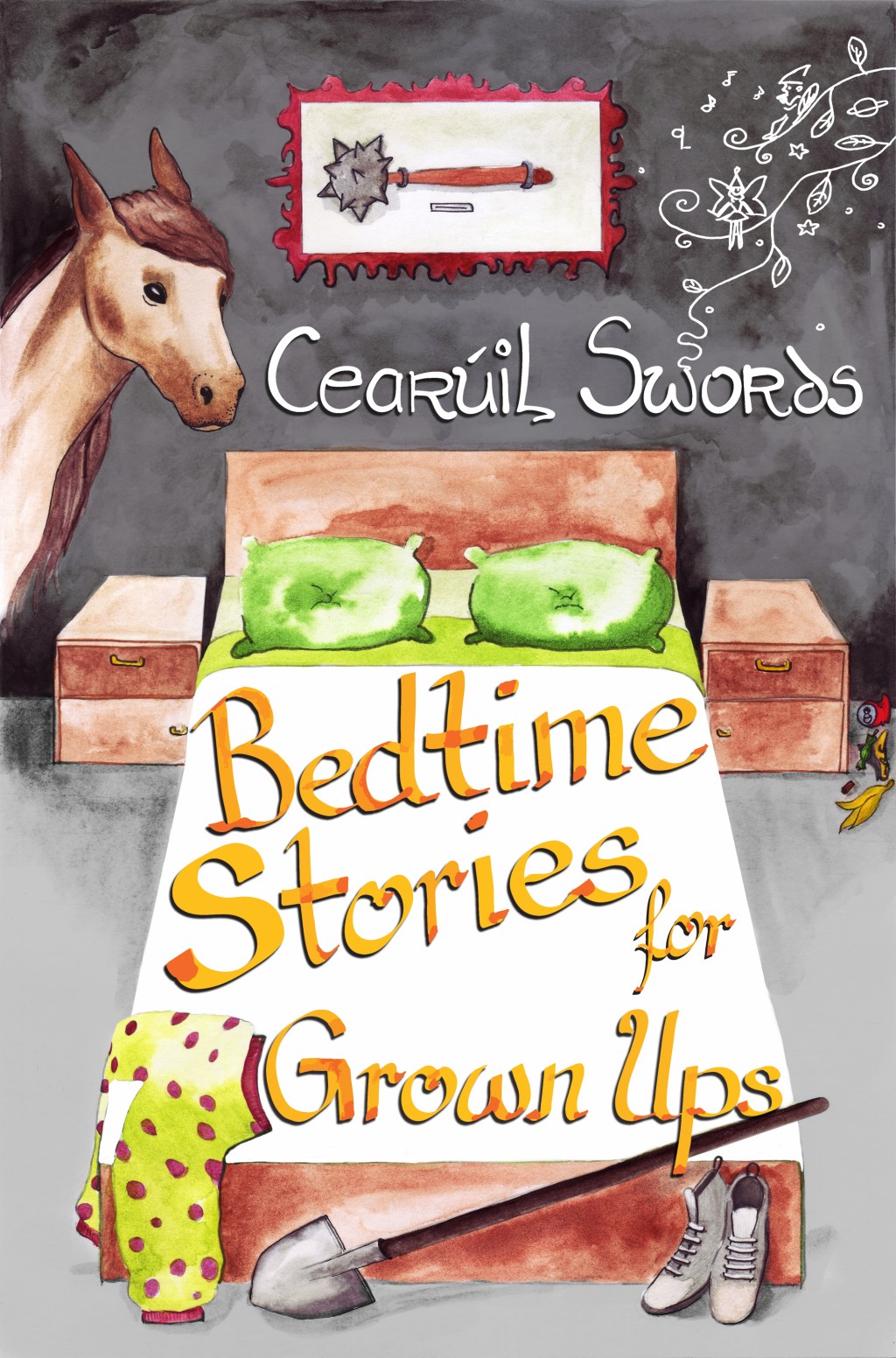
When did you first consider yourself a writer? I still don’t but then again I’m not much good at considering myself anything other than me. Everything else is secondary, changing and probably misleading or inadequate (author rolls his eyes at what he says and wishes he had told his existentialism to wait outside with the…
-
Meet Australian Poet, Elizabeth Blade

Australian poet, Elizabeth Blade, who has written about spirituality and domestic violence, sat down to talk about her writing and work so far. What have you written so far? I have written many things in different genres, such as horror, crime and children’s stories. A wide variety – all of which are in development. I…
-
Author Interview: Frank Parker

Frank Parker, author of Transgression, a contemporary novel tackling issues of sex and sexuality, sat down to discuss his career path as a writer and some advice for aspiring writers. Are you a full-time or part-time writer and how does that affect your writing? I don’t think I can claim to be a full-time writer. Although…
-
Meet Award-Winning Author, Peter Difatta

International award-winning author, Peter Difatta, recently sat down to discuss his current novel and his writing process. What is the most important thing that people DON’T know about your subject/genre that they need to know? My current book, Finding Pluck, does not easily fall in any particular genre. This makes it more difficult to market.…
-
Meet the Author: David King
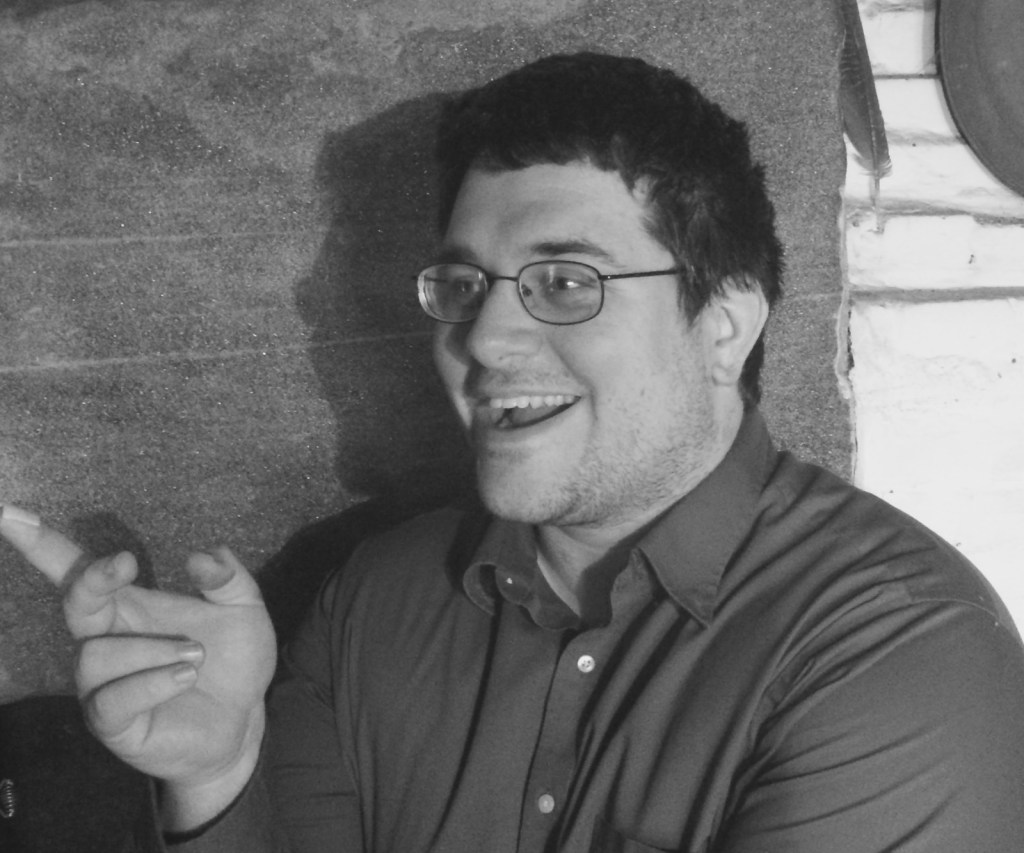
Science fiction and fantasy author David King recently sat down to discuss his writing process, the world of publishing, and his latest book. Why did you choose to write in your particular field or genre? I love writing science fiction because you start with complete freedom, then you have an immediate and complete responsibility to what…
-
Meet the Author: Elizbeth Forkey

Why did you choose to write in your particular field or genre? I’m not sure if Christian Young Adult Post Apocalyptic Fiction with a zombie twist is an actual genre! I thoughtTwilight meets The Walking Dead meets Left Behind would make a great story. When you write a book for a genre that nobody has…
-
Meet Vance Huxley, Author of Fall of the Cities
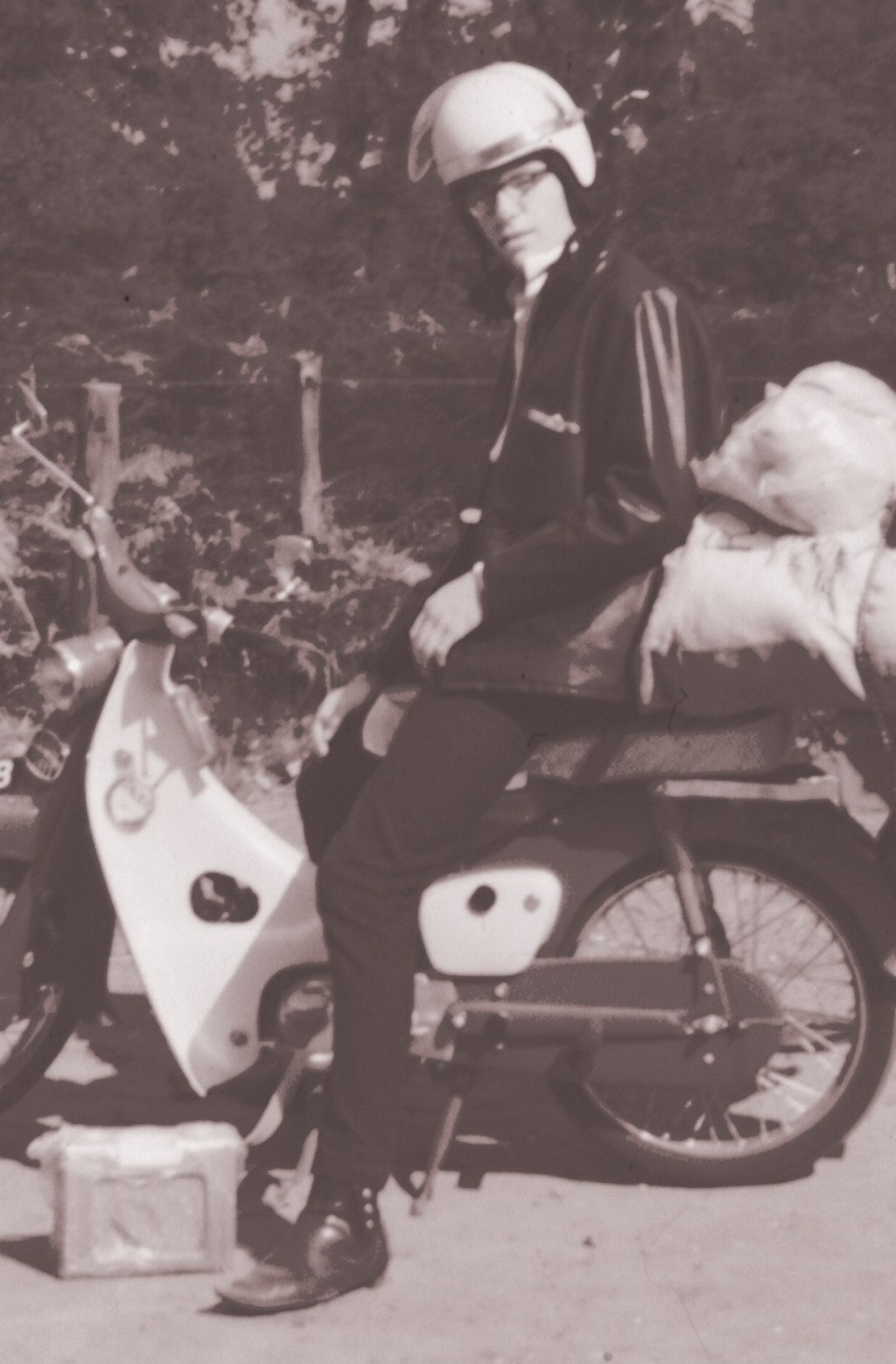
Vance Huxley, author the dystopian science fiction novel Fall of the Cities, sat down recently to discuss his writing and his publishing experiences. When and why did you begin writing? I sat all day with a computer screen in front of me, and had a lot of thoughts about my wife dying that I didn’t…
Waking Writer
By Berneta L. Haynes
From the Editor

Stay Connected!
Or follow on social media:
Copyright © 2016-2026 Berneta L. Haynes.

