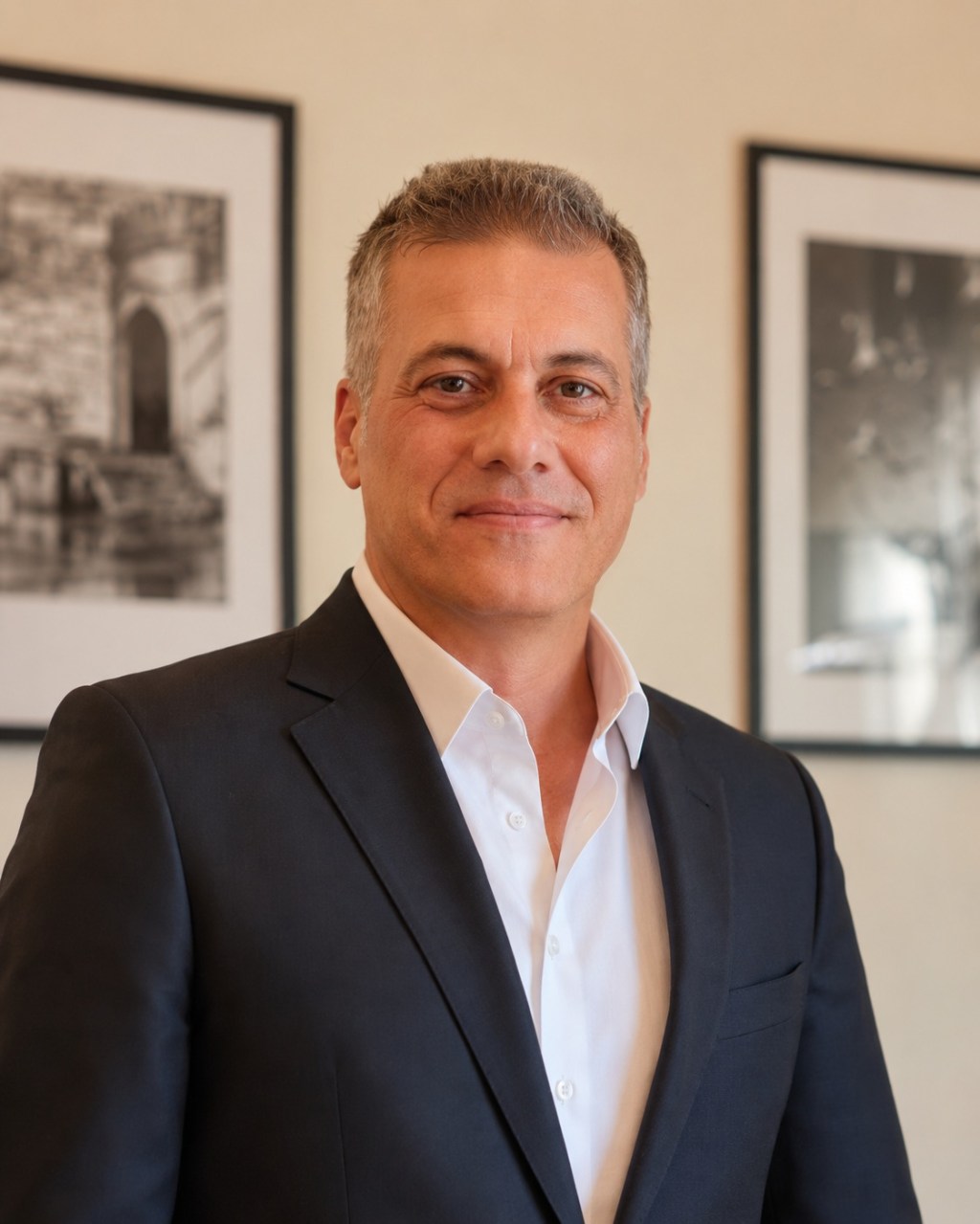
Can you share a little bit about your latest book?
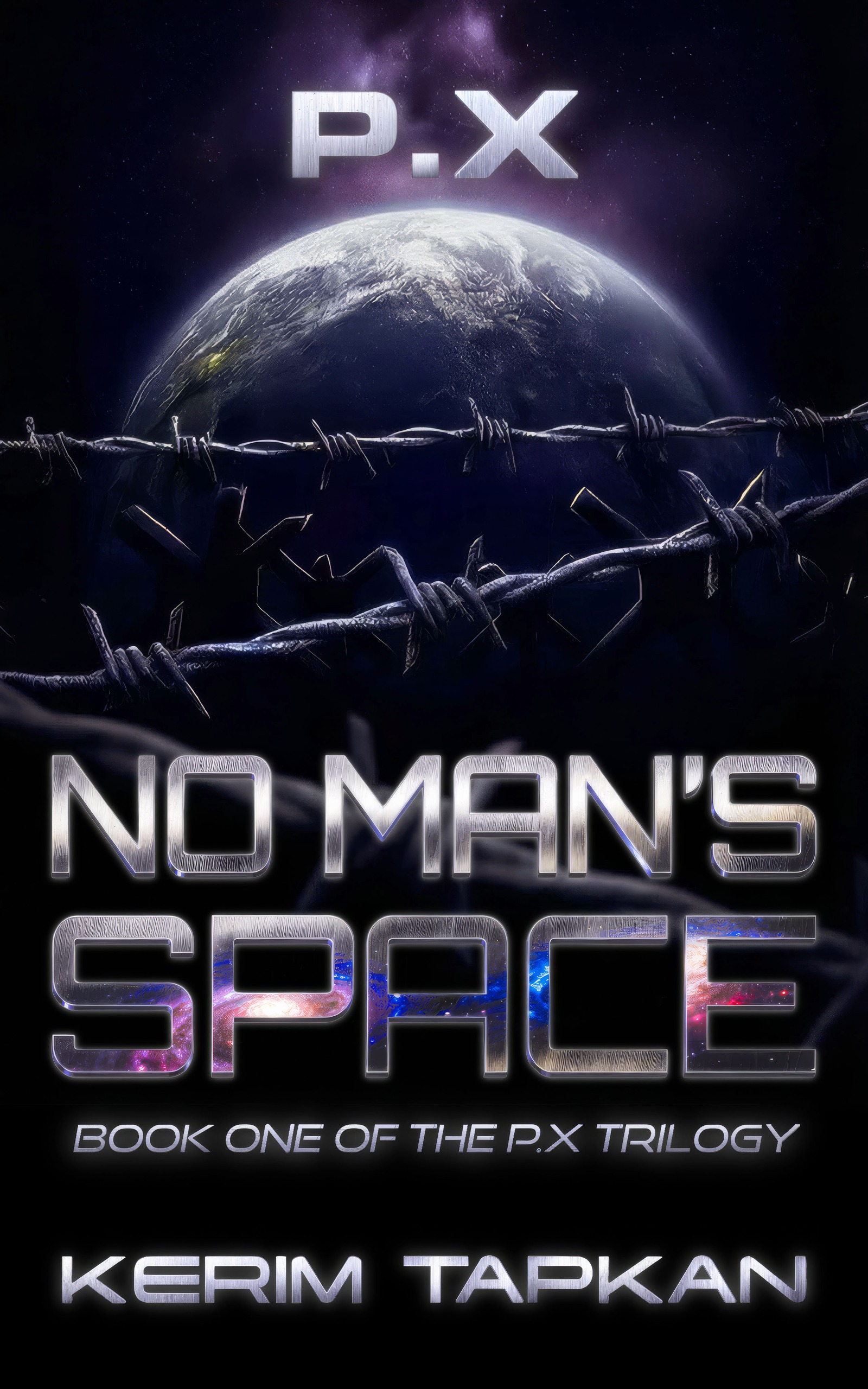
P.X: No Man’s Space begins when Kai Carson, a naval architect in Seattle, receives contact from someone who knows far more about Earth and Kai’s family than he should. What first looks like a private mystery opens onto a hidden human history and a struggle between interstellar powers. As a threat approaches Earth, Kai must work out whom to trust while trying to protect the people closest to him. The novel combines first contact, political pressure, and an engineering problem under an unforgiving deadline. It opens the P.X Trilogy but has its own central crisis.
Tell us something unique about you.
One of the strangest coincidences in my writing life began in fiction. P.X: No Man’s Space opens in Vienna in 1815, on Ballhausplatz. I had promised my wife, Fulya, that I would publish the book on her birthday, November 22. We had planned a trip to Vienna months earlier, without any connection to P.X. When the book was ready in 2025, I brought its first printed copy with me. On our first morning there, we walked to Ballhausplatz, where the novel’s opening is set. I was holding the book in the place where its story began, 210 years later. It was a coincidence, not a planned launch. Then it happened again: the second edition came out on August 1, 2026, during another previously planned Vienna trip. Fulya took its first copy back to the same spot. The story found its way to Vienna twice.
What inspires you to write?
During long train commutes, listening to StarTalk brought me back to questions about space, other civilizations, and what meeting them might reveal about us. Those questions gradually became P.X. I am especially drawn to the moment when an imagined world begins to have consequences for the people living in it. A new technology can change a crew’s routines, a civilization’s choices, and a family’s future. First contact lets me explore a much larger history, but the speculative scale matters most when it changes an individual life.
Are you a full-time or part-time writer, and how does that affect your writing?
I write alongside a full-time career in naval architecture and project management, so I have had to protect time for the books. Some of my most productive writing happened in hotel rooms while I was away on projects. I sometimes wrote between two and six in the morning before the working day began. The schedule can be demanding, but my professional work also gives the fiction a useful source of friction. On a real project, a promising idea must survive questions about resources, operations, and failure. I bring that habit to P.X and ask how those consequences affect the characters.
What day jobs have you held, and how have they influenced your writing?
My professional life has been in large custom yacht construction and major refit projects for more than twenty-five years. I am a naval architect and senior project manager, so I spend a great deal of time thinking about how complex systems fit together and how people work within them. That experience has shaped the spacecraft in P.X, but its deeper influence is on cause and effect. A vessel reflects the needs, limitations, and priorities of those who design and operate it. A fictional ship should tell us something about its civilization, not just look impressive.
What have you written so far?
P.X: No Man’s Space is the first novel in a planned trilogy. The second novel is in progress. I have also published The Abstention, the first P.X Untold companion story, which follows lives and events beyond the main plot. The Snorvix Codex, Vol. I is a published in-universe collection of archival material and commentary. These works offer different ways into the same setting: the trilogy carries its central story, the companion fiction changes perspective, and the Codex lets readers explore some of the history behind it.
What role does research play in your writing?
Research helps me make a speculative premise behave consistently. I am free to invent a propulsion system or a different biology, but I want to follow the consequences of that choice. For one P.X setting, I tested whether a fictional calendar could fit a plausible orbital model. That led to daylight patterns, physiological rest cycles, and eventually requirements for a ship’s crew spaces. Readers do not need the calculation on the page. The research gives me a structure underneath the story so that the visible details feel connected rather than arbitrary.
Did you independently or “self” publish, or did you go the “traditional” publishing route, and why?
I chose independent publishing because I wanted to guide the P.X universe myself: how its stories connect, how the books are presented, and how the wider setting grows over time. That freedom also makes me responsible for work beyond the manuscript, including editing, presentation, distribution, and helping new readers find a clear way into the series. I have learned how difficult it is to describe a large fictional universe honestly in a few lines. I am building it alongside my full-time career, one deliberate step at a time, and treating it as a long-term creative project rather than a single launch.
Tell us more about your main character. What inspired you to develop this character?
Kai Carson is an engineer with a demanding job, a family, and a mechanical heart valve. I wanted first contact to reach someone whose professional habits could become useful without making him instantly prepared for everything that follows. He can read a technical problem and help people organize a response, but that does not tell him which alien account is true or what his choices may cost his son, Atlas. His strengths matter, and so do his limits. That tension keeps the larger conflict personal for me.
What is your next project?
I am writing the second novel in the P.X Trilogy and continuing P.X Untold, which lets me explore other lives and periods in the same universe. A second companion story centered on Vynar is being prepared for publication. I want each piece to add a perspective rather than simply add more background. Readers can begin with No Man’s Space and then choose how far they want to follow the wider history. The books and the material at px-universe.com are meant to reward curiosity without requiring readers to study an archive before enjoying the story.
Want to learn more about Kerim?


Leave a Comment