Why did you choose to write in your genre?
I’ve always loved monsters and mythology and have used it to fuel my writing. In my high school freshman year creative writing class, we practiced writing horror for Halloween, and I just fell in love with the genre. The love became an obsession in 2020. I liked scary movies before, but there was something about the pandemic and lockdown that made me take refuge in our darkest genre. Maybe there’s a bit of optimism in it. If these people can survive the worst case scenarios put to screen, then I can survive the horror all around me. That said, I didn’t really start calling myself a horror writer until I started getting published in anthologies. I find most of my open calls through The Horror Tree, so horror became what I wrote the most. It’s the genre I am most passionate about, though, and I have a ton of fun with it.
What is the most important thing that people don’t know about your genre but that you would like for them to know?
I think that people tend to underestimate the genre and its power. Many will write it off as boobs and mindless slaughter–and yeah, there are some bad movies out there like that–but most have something important to say about society at large. I like to call it a funhouse mirror, something that accentuates and exaggerates features that were always there.
Is there anything you find particularly challenging in your writing?
I often struggle with rewriting and revising. My brain is like, but I just wrote this! Why do I have to write it again? It’s easier when I have people like an editor to keep me accountable, though. I think I get overwhelmed and unsure of where to fix the problem areas, but when I have someone to bounce ideas off of, it makes it easier.
What advice would you give to aspiring authors?
It’s a bit trite to say, “just write!” but just writing really is half the battle. You can’t share a story with the world if it isn’t finished, after all. The other half of the battle is split between revising and putting yourself out there. The latter can be incredibly intimidating. At first, every rejection can feel personal, but it really isn’t. Rejection just means that the story was the wrong fit for the publisher. You just have to keep trying and sending things out.
Can you share a little bit about your latest book?
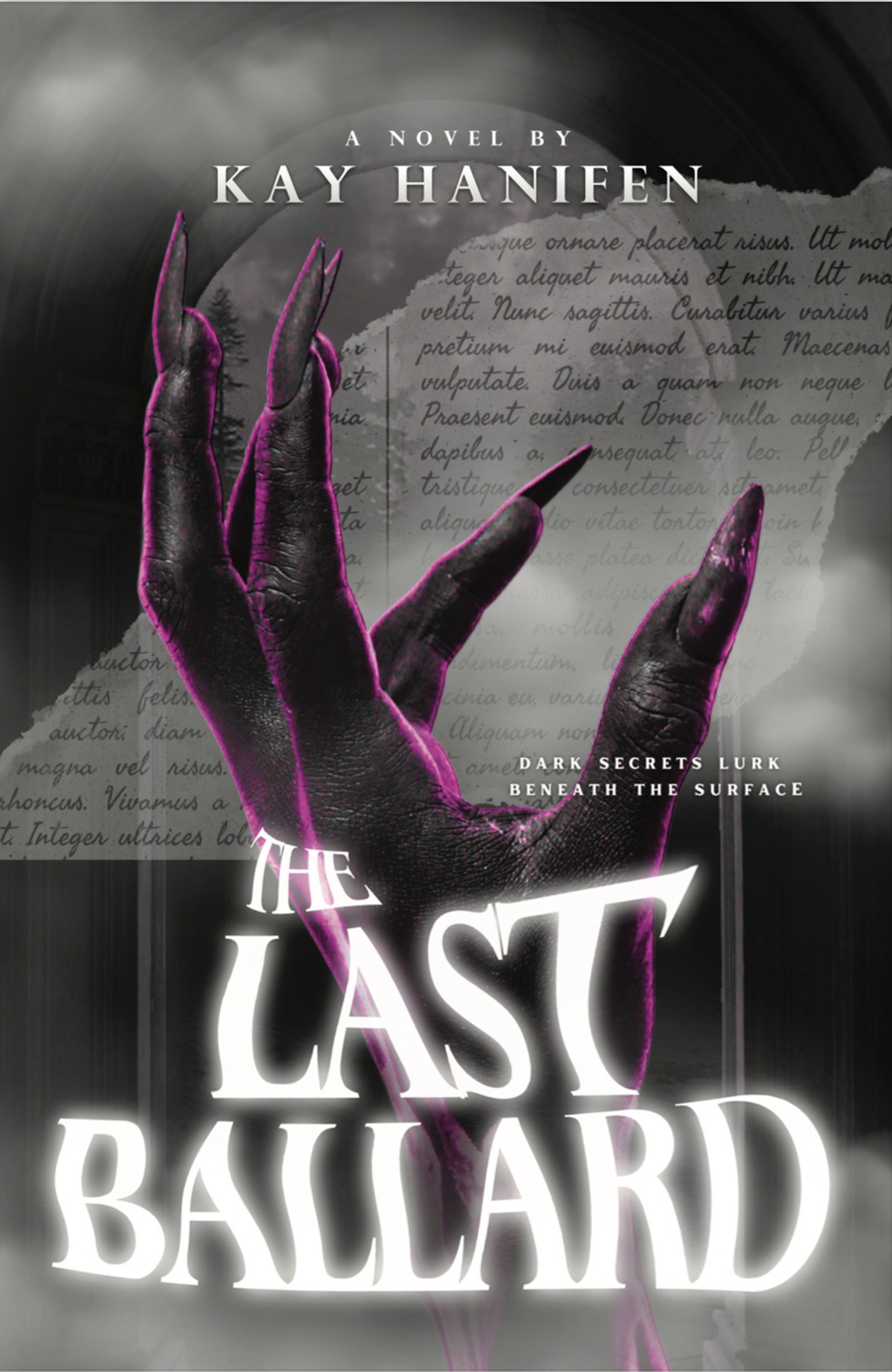
The Last Ballard follows Rhea Ballard, who returns to the home of her abusive grandparents for their funeral. She expects to field awkward questions about where she was for the past six years, pay her respects, and close the door on that chapter of her life. What she doesn’t expect is to inherit the family home. Now, while she puts her family’s affairs in order, she must solve the mystery of a century old murder and face the literal and figurative ghosts of her past.
What made you decide to sit down and start writing this book?
The novel was originally my senior thesis in college. I wrote it over the summer in my final semester because, as I mentioned above, I know my weakness is not in getting the first draft down but in the rewrites and revision. As for the story itself, I was inspired by the legend of the rusalka, a female spirit who died in the water. Usually, she was murdered by a lover or a family member and returns from the dead to drown any men unfortunate enough to cross her path. I’ve always loved a tragic monster and was searching for a way to make a story about one work when I came up with the idea of The Last Ballard.
Tell us more about your main character. What inspired you to develop this character?
One theme that fascinates me, especially in ghost stories, is about the sins of the father being wrought upon the son. I think it’s a timely concern, especially with everything going on in the world. I wanted to create a character who is disillusioned with her family legacy but is pressured into upholding it, regardless of it causing pain and suffering. Because of this, Rhea is a mess of anxiety and self-consciousness. She comes from a background of abuse and being on her own, so she has to learn how to accept help and kindness. That said, she’s always willing to offer kindness to others. Her struggle is convincing herself that she deserves it.
Who are some of your favorite authors that you feel were influential in your work?
There are a number of gothic authors who you can see influence The Last Ballard. Shirley Jackson and The Haunting of Hill House is the most obvious inspiration, followed by Henry James’s Turn of the Screw. It has a lot of similarities to Mike Flanagan’s Haunting of Bly Manor but, funnily enough, that’s a coincidence. I wrote the entirety of the first draft of The Last Ballard about three months before the series came out. It’s less obvious, but I’m also influenced by Edgar Allen Poe and Bram Stoker in general.
Tell us something unique about you.
I lived for three months in a Dutch haunted castle as a part of my college’s study abroad program. I never experienced anything supernatural myself aside from my laptop randomly draining its battery once, but I had a friend who heard something sit in her bed while she was working at her desk. When she went to look, she saw an indentation where a person would be, but no one was there.
Want to learn more about Kay Hanifen?


Leave a Comment