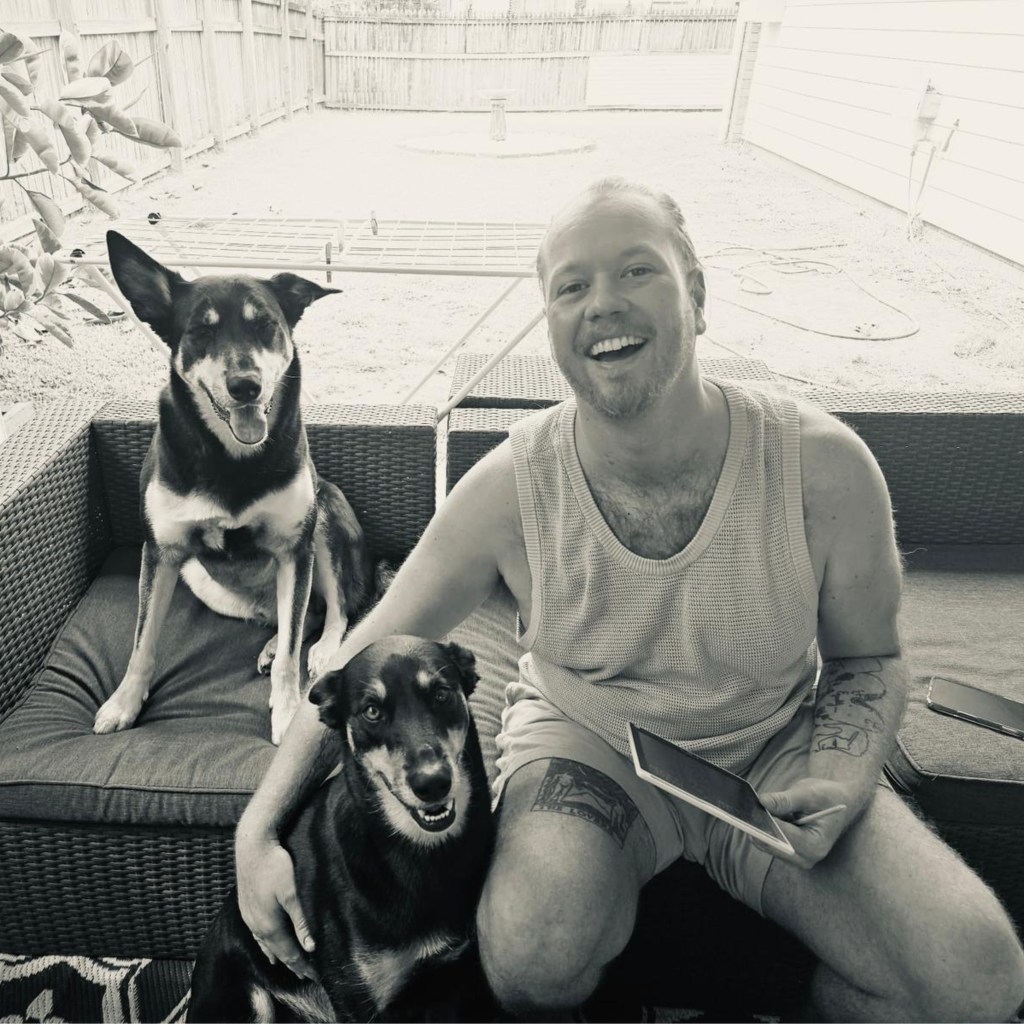
What is the most important thing that people don’t know about your genre but that you would like for them to know?
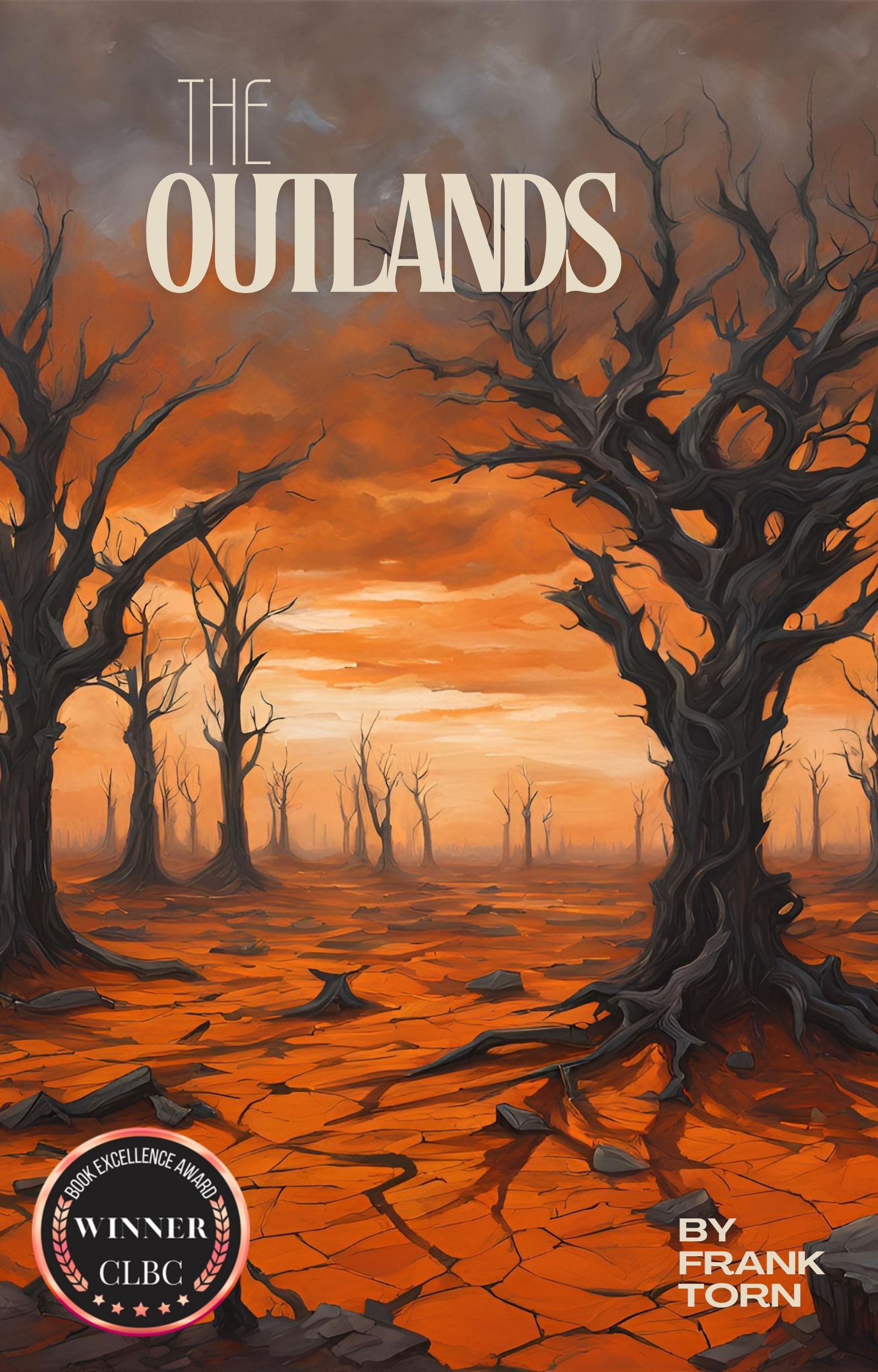
Dystopian fiction isn’t about the end of the world—it’s about the parts of ourselves we can’t outrun. People often assume the genre is all ruin and spectacle, but what I’m really writing about are the quiet, human fractures underneath. My work leans into land-memory, generational trauma, and the way a place can inherit a wound just as easily as a person can. The world isn’t destroyed in The Outlands—it’s remembering itself in a different shape.
What have you written so far?
I’ve written The Outlands, the first novel in a multi-book sequence, along with several connected chapters and mythic side-stories that deepen the world’s symbolic architecture. Most of my work threads Australian landscapes with neuro mythology, creating stories where characters navigate both physical terrain and inner wilderness. I also write essays, short fiction, and experimental mythic fragments that often become seeds for later novels.
What role does research play in your writing?
Research is the anchor. I read widely—neuroscience, anthropology, rural Australian history, mythology, trauma studies, and environmental science. I walk real properties, study weather patterns, talk to farmers, and even map cattle behaviour to make the land feel alive on the page. Research lets me build worlds that feel mythic yet absolutely grounded. Even the surreal moments have roots you can trace if you look closely enough.
How do you market or promote your books and what strategies (e.g. social media, email, blog tours, in-person, etc.) have demonstrated the most success for you?
Authenticity beats all else. Social media helps, but readers respond most when I pull back the curtain on the writing process—showing the mess, the drafts, the symbolism behind choices. Interviews, podcast features, and reader-driven spaces like Goodreads have been far more effective than traditional ads. Word-of-mouth from early readers has been the strongest force behind The Outlands so far.
What do you do to get book reviews?
For The Outlands, I focused on building genuine reader relationships rather than blasting out generic requests. I reached out to reviewers who already gravitated toward atmospheric, rural, or mythic fiction—people who understand that the Australian landscape is a character, not just a backdrop. I also offered early chapters to a small group who connected deeply with the story’s themes of isolation, land-memory, and survival. Reviews came naturally from those conversations rather than from cold outreach.
What did you enjoy most about writing this book?
What I loved most was watching the land come alive as its own character. In The Outlands, the environment doesn’t just hold the story—it shapes it. Capturing that silent language between boy and creature felt like tapping into something ancient. Every time the paddocks breathed, or the cane fields whispered, it felt like the world itself was telling me where the story wanted to go.
Is there anything you find particularly challenging in your writing?
The challenge is always balance. The Outlands walks a tight line between realism and myth—between the dirt-under-your-nails practicality of rural life and the surreal, almost spiritual undercurrent that runs beneath Emiel’s world. I’m constantly trying to keep the story grounded while still allowing those stranger, darker, more symbolic elements to pulse through it. Making sure the metaphor never smothers the character is a battle I fight on every page.
How do you think you’ve evolved creatively?
I’ve learned to trust silence more. Early in my writing, I felt the need to fill every gap with explanation. Now I know that the most powerful moments in The Outlands are the ones you don’t fully articulate—Kit standing barefoot in the paddock, Emiel facing the wolf, Bellamy watching the horizon with something unspoken in her chest. I’ve evolved by letting the reader breathe inside the story instead of being told where to step.
Tell us something unique about you.
I write from instinct first and logic second. Before I ever outline, I see the story in images—smoke rolling over a paddock, a boy’s hand on a wolf’s ribcage, a house breathing shallowly after a fire. I build the world by chasing those images until they reveal the emotion behind them. It’s an odd process, but it’s the reason The Outlands feels the way it does: lived-in, symbolic, and slightly haunted.
Want to learn more about Frank Torn?


 Waking Writer
Leave a Comment