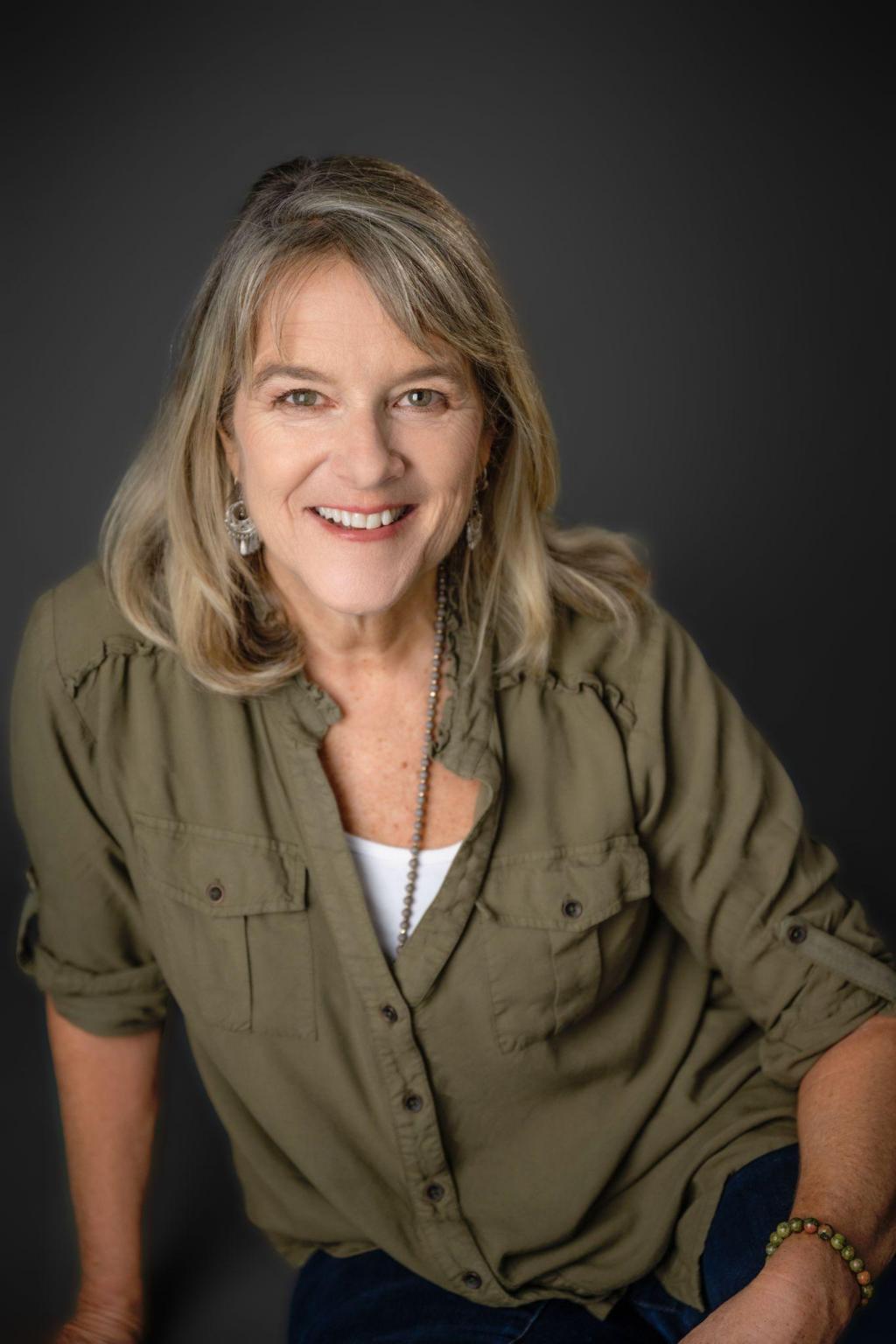
Why did you choose to write in your genre?
As the adage goes, write what you know. I’ve spent over twenty-five years as a nurse practitioner in pediatric and neonatal intensive care. My love for medicine started in 5th grade when I learned about white blood cells and their role in clearing the body of infection. One of my favorite authors is Robin Cook. After I read Coma, an all-time classic, I’ve been addicted to medical thrillers.
After twenty-five years in the trenches of intensive care, I believe I have enough stories to entertain and captivate thriller fans. I love the adrenaline that comes with my work, and I try to bring that same kind of energy to my writing. I can’t imagine trying to write in another genre – I get so excited every time I sit to work on one of my medical thrillers.
Are you a full-time or part-time writer, and how does that affect your writing?
To make a living from writing is a dream of mine, and since I am not at that point, I write part time. It definitely affects my writing! Life gets in the way of writing, all the time. When I can afford three days in a row (or even better five), of just writing with no other obligations (like my day job) I get so much done because I get in the zone. I immerse myself in the world of my novel, the real world goes away, and my writing starts to flow. It’s one of the best feelings ever! But then to pull myself away and rejoin real life, is a challenge. Most weeks I get a little writing done, but to really produce something worthwhile, I need several days in succession.
Do you work with an outline or plot sketch, or do you prefer to let a general idea guide your writing?
This sounds like the terms ‘plotter’ and ‘pantser’ in fiction writing. I’m a little bit of both, but more a plotter. That’s just my nature. When it comes to writing I need to know where the story is going and how it’s going to get there. However, there are times I slip into the pantser mode which tends to be more fun. It’s a more creative and less restrictive way to write. Sometimes if I get stuck somewhere in the novel in moving the plot forward, I’ll pull out the pen and paper and just write, by the seat of my pants, and see what comes out onto the page. Almost always I surprise myself with how creative and interesting it is.
What role does research play in your writing?
A lot. In the past, I’ve written articles for professional journals which centered around research. Now when I write fiction, I choose a topic that I’m familiar with and interested in, but there is always more to know. I enjoy doing the research and can easily get lost in it. I’ll look up articles or information on one topic and follow that rabbit down the hole that leads me to a new but related topic. Research helps to go deeper into the writing, making it more believable. At the same time, I continue to learn. I’ve also done research in the form of interviewing people or experts who are intimately knowledgeable about the lives of my characters or subject matter of the book. It adds a greater dimension to the book.
Did you independently or “self” publish, or did you go the “traditional” publishing route, and why?
I am proud to say I published this book with a hybrid publisher – a combination of both traditional and self publishing. Hybrid publishing has benefits of both. It allows author freedom and control over the decisions made in the publishing process. Yet, there is a lot of support by people who know the industry. She Writes Press, with whom I published my debut novel, has an excellent reputation for creating award winning covers and for backing their authors through the entire publishing process. Brooke Warner, co-founder of She Writes Press, is a strong advocate for helping writers get their work out there. She comes from a background in traditional publishing and believes that good writing deserves a chance at reaching the public.
What made you decide to sit down and start writing this book?
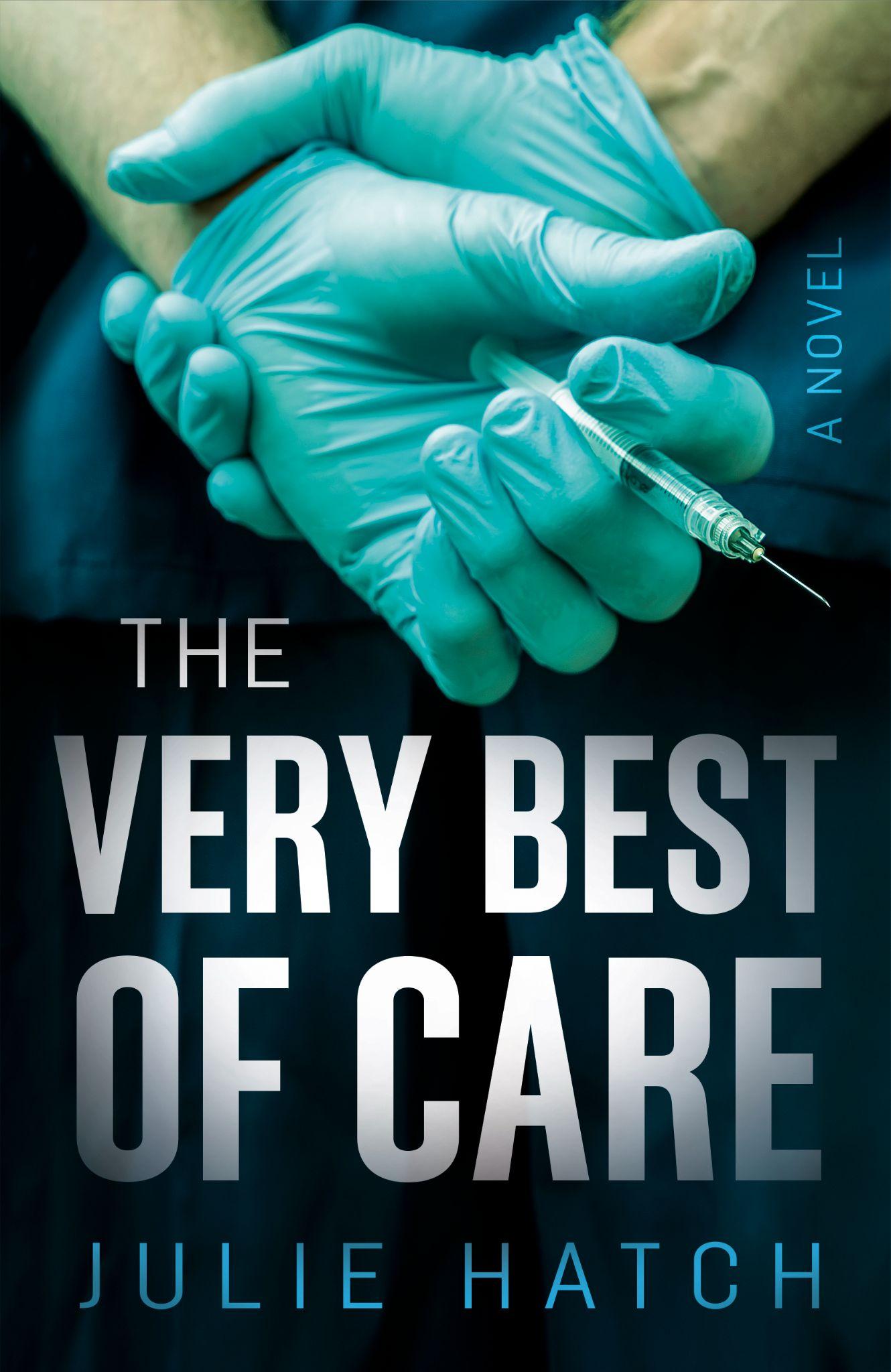
A comment from years ago during a conversation I had with a colleague during a particularly busy, stressful, hectic day in the neonatal intensive care unit: “Is she [VP of nursing] out on the street dragging in pregnant mothers and making them deliver?” That was the nugget of an idea that got me started. Then I participated in NaNoWriMo which stands for “national novel writing month.” During the month of November participants write 50,000 words in the month, which averages out to be 1,666 words a day, a challenge to sustain for 30 days. But once it’s done it can turn into the beginning of the first draft of a novel. That’s how the first draft of The Very Best of Care was written.
Tell us more about your main character. What inspired you to develop this character?
The protagonist, Sophie, is a thirty-seven-year-old woman whose final attempt at getting pregnant through IVF (in vitro fertilization) was successful. She is a smart professional woman, but naïve when it comes to the medical world. She has no choice but to trust the doctor who delivers her baby unexpectedly, three and a half months early. I like her because she is relatable to anyone who has been a patient of the health care system. We all want to be able to trust our doctors. What do we know compared to them? She is in an extra vulnerable position because she is pregnant. Her responsibility for her baby’s life weighs heavily on her, and I believe most mothers can identify with this. Through the trials and tribulations of three months in the neonatal intensive care unit, Sophie evolves, loses her naivete, and finds out just how courageous she really is. She is the quintessential mama tiger who will stop at nothing to protect her cub.
Do you listen to or talk to your characters?
Call me crazy, but yes, I absolutely talk and listen to my characters. I used to write stories that were heavily plot driven. Then, I quickly learned that readers want to connect to a story’s characters, and so character building is crucial. To do that a writer has to spend time really getting to know their characters. There are tools and questionnaires to develop a 3-dimensional character that the reader will care about. I interview every major character, and even some minor ones. I want to know everything about my characters, from what color underwear they like to wear and why, to what was the most embarrassing moment in their lives, or the saddest event, or what keeps them up at night. I want to know what motivates them, frightens them, challenges them – I want to know everything.
Usually at some point in the writing process, I need help with a character. Maybe I’m not clear on what action they should take or what decision they should make. So, I pick up a pen and paper, and out loud, I ask them the questions that I need answered to move the story forward or to clarify their purpose in a scene. Because each character evolves throughout the book, I need to have repeated conversations to update my understanding of them.
What is your next project?
Another suspenseful medical thriller. It’s about a rash of teen deaths in a Long Island seaside town. I use the term deaths, because it’s not clear whether they are results of an accident, suicide, or murder. The book addresses various teen issues including LGBTQ and gender identity.
Tell us something unique about you.
I love to travel, which isn’t necessarily unique, but I love to travel with a purpose – to contribute to the countries or cities where I go. I’ve started doing medical volunteer trips. I’ve been to Brazil to work with children in a cancer treatment center; I’ve traveled to Mexico to help bring dental health to children who otherwise would have none. I’ve worked as an acupuncturist on the island of St. John in the Virgin Islands. In November I’ll be traveling to Cambodia for another pediatric dental mission. Last year I traveled to Nepal on a trip strictly for pleasure. I love Nepal and after seeing and interacting with the Nepalese children I hope to return there soon as a medical volunteer.
Want to learn more about Julie Hatch?


 Waking Writer
Leave a Comment