
When did you first consider yourself a writer?
I have this very vivid memory from my childhood that marks the moment when I knew I wanted to be a writer. It was one of those pivotal moments that you never forget.
I must have been around seven or eight years old at the time. My dad came home one day with a big stack of books. I remember the way they smelled, that unique combination of ink and paper. As he handed me one of those books, I felt a rush of excitement and curiosity.
I opened the book, and even though I couldn’t understand every word on the pages at that age, I was captivated by the idea that someone had created this entire world with just words. It was like magic to me. I flipped through the pages, examining the cover, the illustrations, and the way the sentences flowed. That was the first memory I have of knowing, deep down, that I wanted to be a writer.
I often joke about it, saying that I was practically born with a pen in my hand, but there’s a nugget of reality in that. From that moment on, I knew deep down that I was destined to be a writer. It’s one of those childhood dreams that never wavered, and I’m grateful for that early clarity of purpose.
From that day forward, I couldn’t stop myself from scribbling stories, poems, and ideas on any piece of paper I could find. I knew, even as a kid, that I had a burning desire to share my thoughts, stories, and imagination with the world through the written word.
So, that’s how it all began, and that early passion for books and writing has stayed with me throughout my life. It’s a reminder that sometimes, the most profound moments of our lives are those simple, unforgettable experiences that shape our dreams and aspirations.
What is the biggest thing that people THINK they know about your subject/genre that isn’t so?
Historical fiction is a genre that holds a unique charm for me. What many people may not realize is that the research aspect of it is both incredibly enjoyable and, at times, quite daunting. It’s like embarking on a captivating journey through time, delving into archives, sifting through dusty manuscripts, and unearthing forgotten stories. This process, though demanding, is where I discover the hidden gems that breathe life into my narratives.
But what truly makes historical fiction a delight is the imaginative part. The act of crafting a story set in a bygone era, reimagining the past, and weaving characters into history is where the real magic happens. It’s a harmonious blend of fact and fiction, where I get to play the role of a literary time traveller.
Now, when it comes to free verse, it’s an entirely different realm. Free verse poetry, for me, is a dramatic and evocative form of expression. It’s akin to reading a gripping tale, but with the added allure of words dancing and resonating with a lyrical cadence. The absence of traditional rhyme and meter gives me the freedom to paint emotions and images in a way that feels organic and unbridled.
In essence, while historical fiction transports me to different eras, free verse allows me to create my own worlds within the confines of words. Both are profoundly fulfilling in their own ways.
Do you have a special time to write, or how is your day structured to accommodate your writing?
I don’t really have a special place or a set time when it comes to my writing process. I’m quite the spontaneous writer, I must admit. However, there’s a twist to it. I tend to be a bit of a perfectionist, which can sometimes lead me into a whirlwind of chaos when I write.
To explain, when I get into the zone, I find it difficult to start and equally challenging to stop. It’s like a double-edged sword. On one hand, my perfectionism drives me to refine every sentence, ensuring it’s just right. On the other hand, this can lead to a struggle in getting started because I want that initial spark to be nothing less than perfect. And once I do start, well, it’s hard to pull away. I get so deeply engrossed in the writing process that I lose track of time and the world around me. It’s as if I’m on a literary rollercoaster, and I don’t want it to end until I’m satisfied with the outcome. It’s more about finding that elusive balance between my perfectionist tendencies and my passion for storytelling, regardless of when or where inspiration strikes.
How do you think you’ve evolved creatively?
My creative journey has been a source of great pride and growth for me. One of the most significant transformations I’ve experienced is in my creative evolution. I’ve watched myself develop and explore new avenues of creativity, which has been incredibly fulfilling. However, this evolution has come with its own set of consequences.
One notable change is that I’ve become exceptionally sensitive to the moods and energies of the people around me. It’s as if I’ve developed a heightened awareness of the emotional nuances in my surroundings. While this sensitivity can sometimes be overwhelming, it has also enriched my creative work by allowing me to tap into a deeper well of human emotions and experiences.
I’ve learned to listen more attentively, to observe and absorb the world with a different level of understanding. Moreover, my evolution as a creative individual has made me take words much more seriously than when I was younger. I’ve come to appreciate the immense power and weight that words can carry. This awareness has translated into a more thoughtful and deliberate approach to communication, both in my writing and in my everyday interactions.
What have you written so far?
I’ve written across a wide spectrum of writing forms, from free verse poetry to plays, scripts, essays, radio content, billboard copy, research papers, conference speeches, and movie critic essays.
What did you enjoy most about writing this book?
First and foremost, the choice to center on women as the central figures in these haunting tales amplifies the voices and perspectives of women but also illuminates the intricacies of their lives and the haunting forces they grapple with. This thematic focus challenges traditional literary norms and underscores the complexity of women’s experiences.
Furthermore, the idea of “hauntings” takes on a multifaceted meaning. Beyond the conventional ghostly apparitions, it delves into the haunting by societal norms, historical injustices, and personal traumas that have afflicted women throughout history. These narratives encapsulate the enduring impact of these hauntings on women’s lives and illuminate the resilience and strength they summon to confront and transcend them.
What role does research play in your writing?
As a literary scientist, I often find myself immersed in extensive research. One of the challenges I encounter is the potential to get lost in the vast sea of information and data available. It’s easy to keep digging deeper and deeper, potentially spiralling into a never-ending quest for more knowledge.
To address this challenge, I’ve developed a structured approach to my research process. First and foremost, I establish clear research objectives and questions at the outset of a project. This helps me maintain focus and ensures that my research efforts remain aligned with the specific goals of the study. Lastly, I’ve learned to recognize when it’s time to step back from the research and start synthesizing and analysing the gathered information. This transition from data collection to analysis is crucial in preventing myself from endlessly accumulating data without deriving meaningful conclusions.
What one person from history would you like to meet and why?
I feel like I would have loved to have a conversation with Anthony Bourdain. And, Hilary Mantel.
Bourdain’s ability to connect with people from diverse cultures through the universal language of food was remarkable. His TV series, books, and candid commentary on various issues were not only entertaining but also thought-provoking. A conversation with him would have been a journey into the world of food, travel, and cultural exploration, and I believe his insights would have been incredibly inspiring.
Mantel’s talent for bringing historical figures and events to life through her prose is unparalleled. Her meticulous research and intricate storytelling techniques have made her a literary icon. A conversation with her would have been a masterclass in the art of historical fiction, allowing me to delve into her creative process, her perspective on history, and the way she weaves compelling narratives.
If there was one thing you could do to change the world, what would it be?
Every individual, regardless of their age or gender, should have unassailable access to their basic human rights. This includes the right to life, liberty, education, healthcare, and protection from discrimination and violence. It pains me to witness the many instances where these rights are not upheld, especially for children and women. And also, for the equitable distribution of essential resources that should be available to everyone.
What is one great lesson you have learned as a writer?
A cherished piece of wisdom that has profoundly influenced my perspective on life and decision-making was imparted to me by my father: “Exercise patience and precision, akin to striking the hammer when the glass is at its ideal temperature, neither too soon nor too late.”
The importance of striking the metaphorical hammer when the conditions are just right.
If you couldn’t be an author, what would your ideal career be?
Well, it’s quite amusing, but I’ve known that I wanted to be a writer since I was a kid. It’s been a passion of mine for as long as I can remember, and I’ve always enjoyed immersing myself in the world of words and storytelling.
However, if we were to entertain a hypothetical scenario, let’s say I preferred to be a paediatric surgeon instead. That decision might come with a wink and a nod towards my mother, who happens to be a doctor herself.
But in all seriousness, while paediatric surgery is a noble and important profession, my heart truly lies in writing. It’s where my passion and creativity thrive, and it’s what I’m genuinely excited about pursuing. So, I’m happily sticking to my childhood dream of becoming a writer.
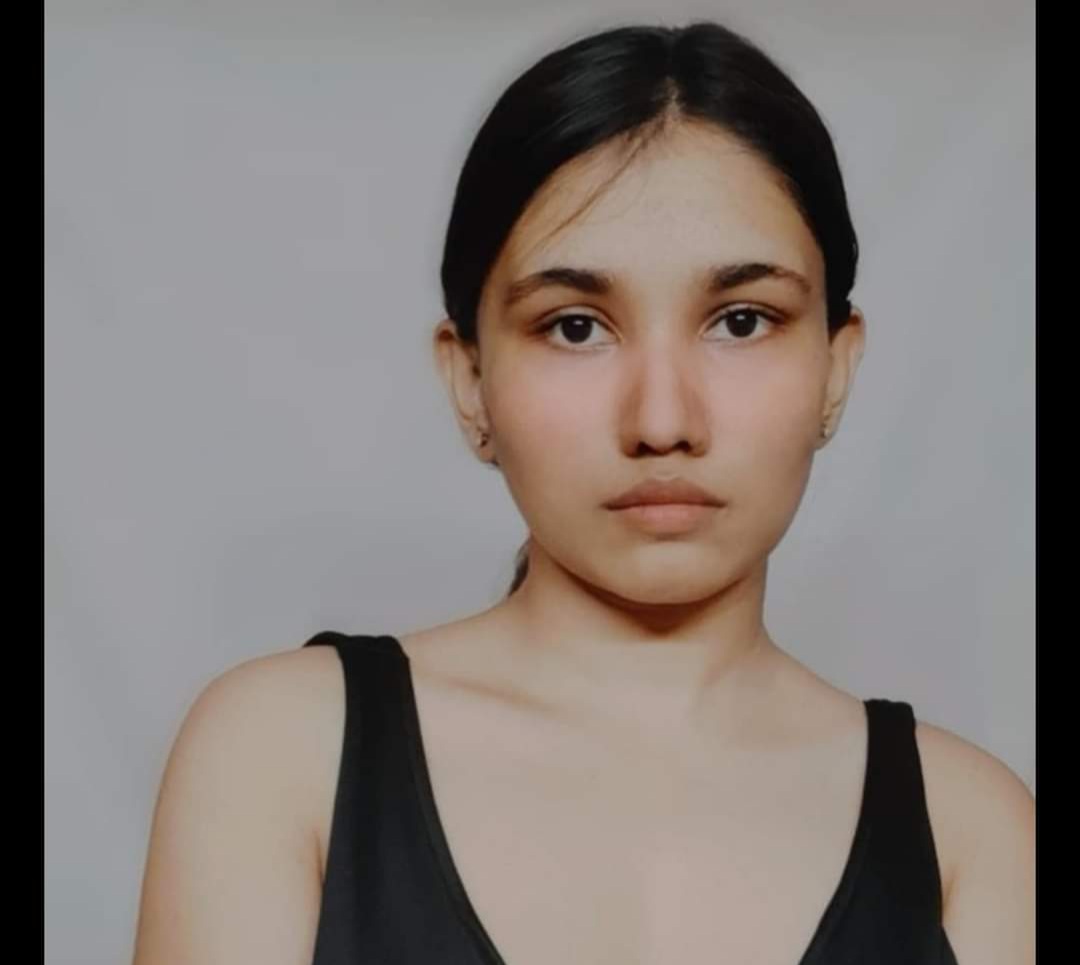
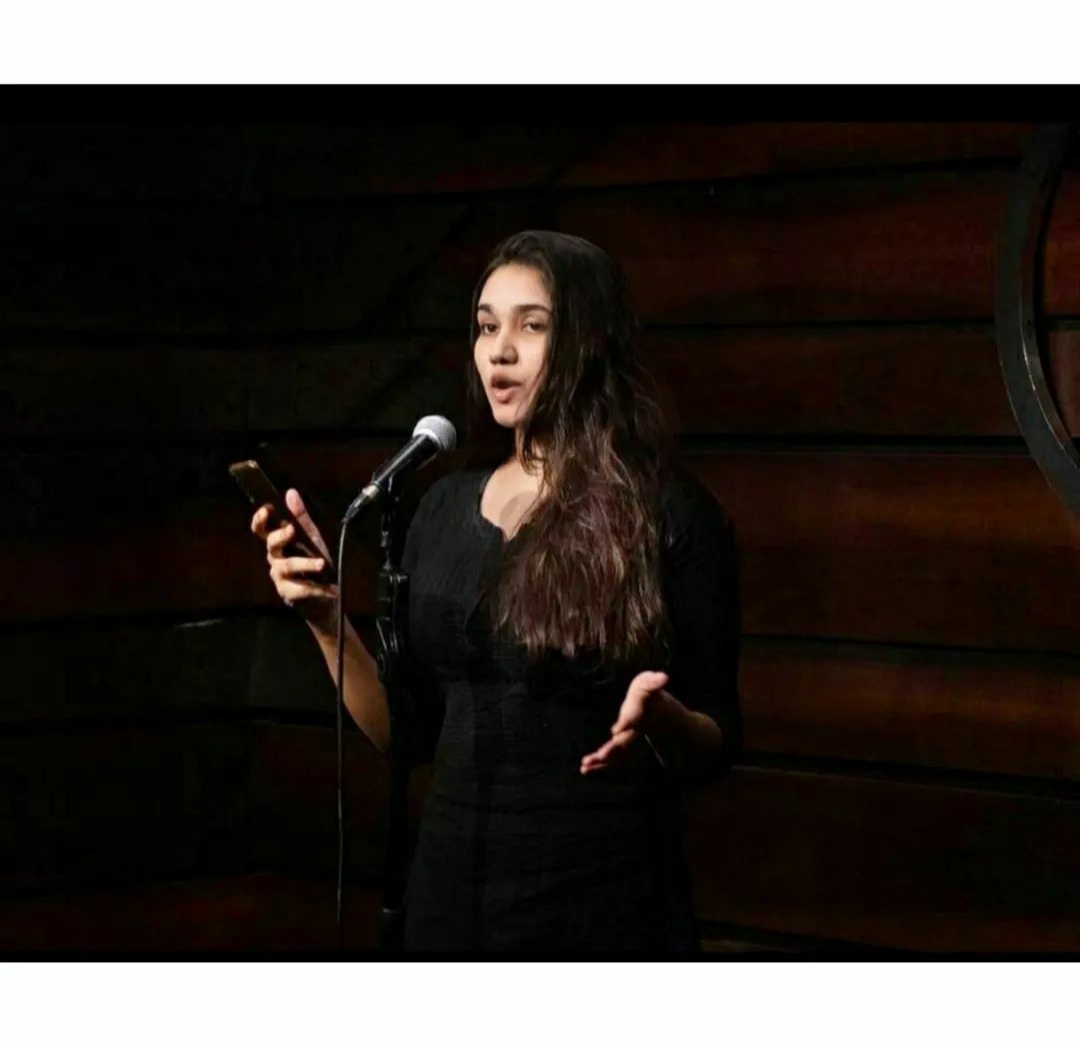
Want to learn more about Aishwarya Khale?
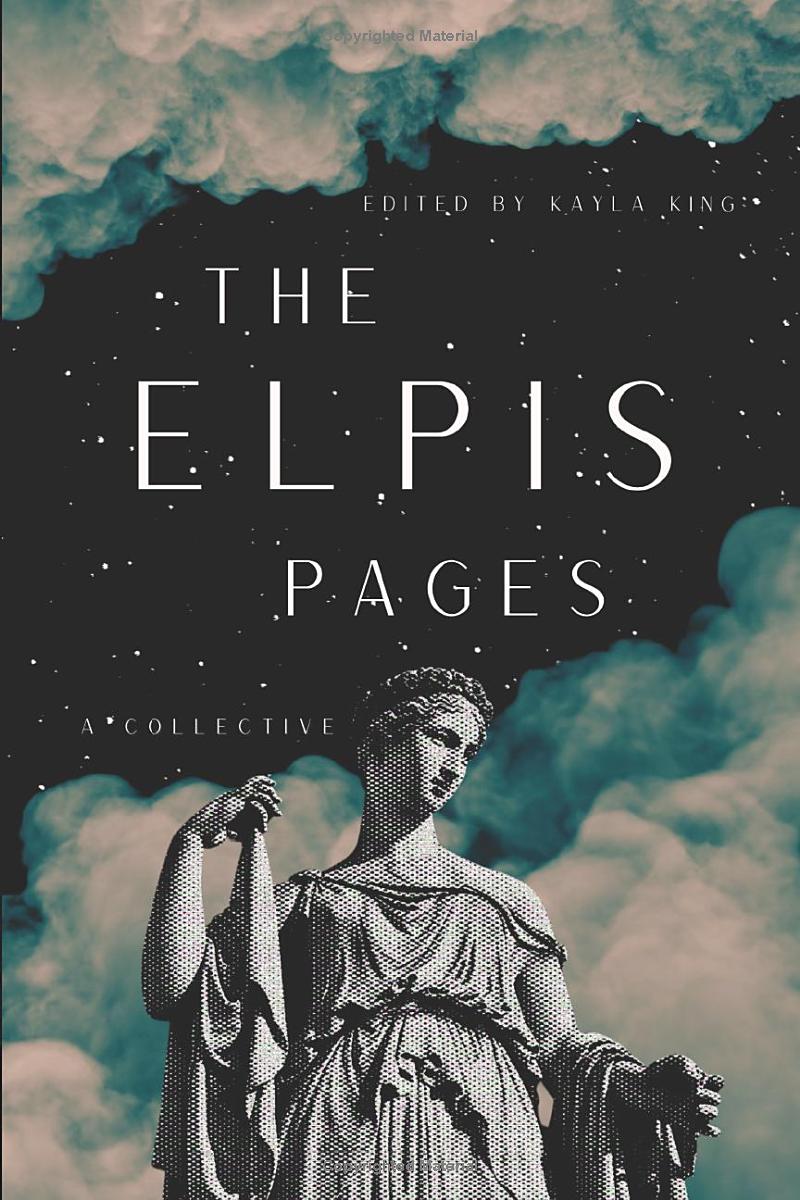
Twitter | The Elpis Pages

 Waking Writer
Leave a Comment