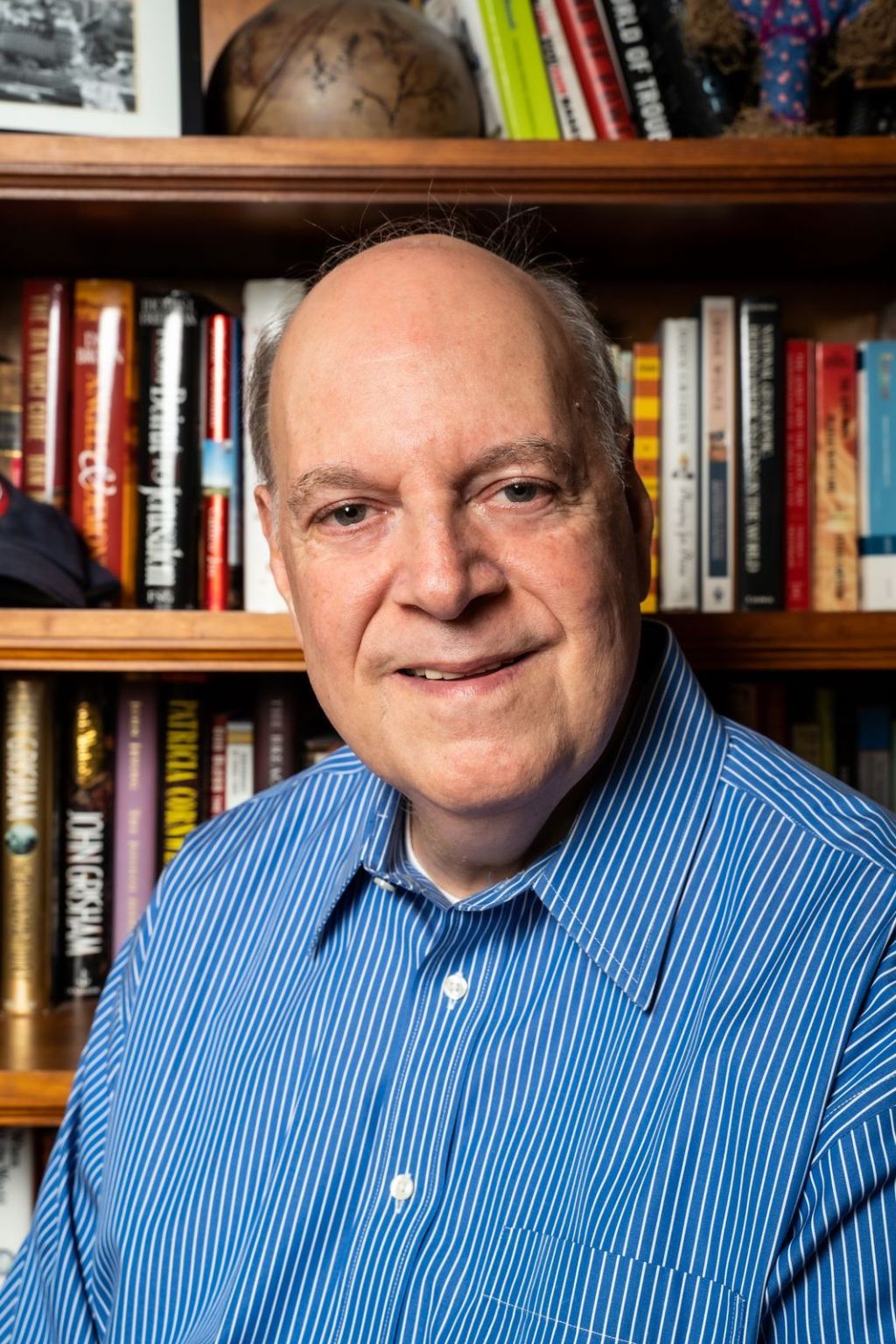
What inspires you to write?
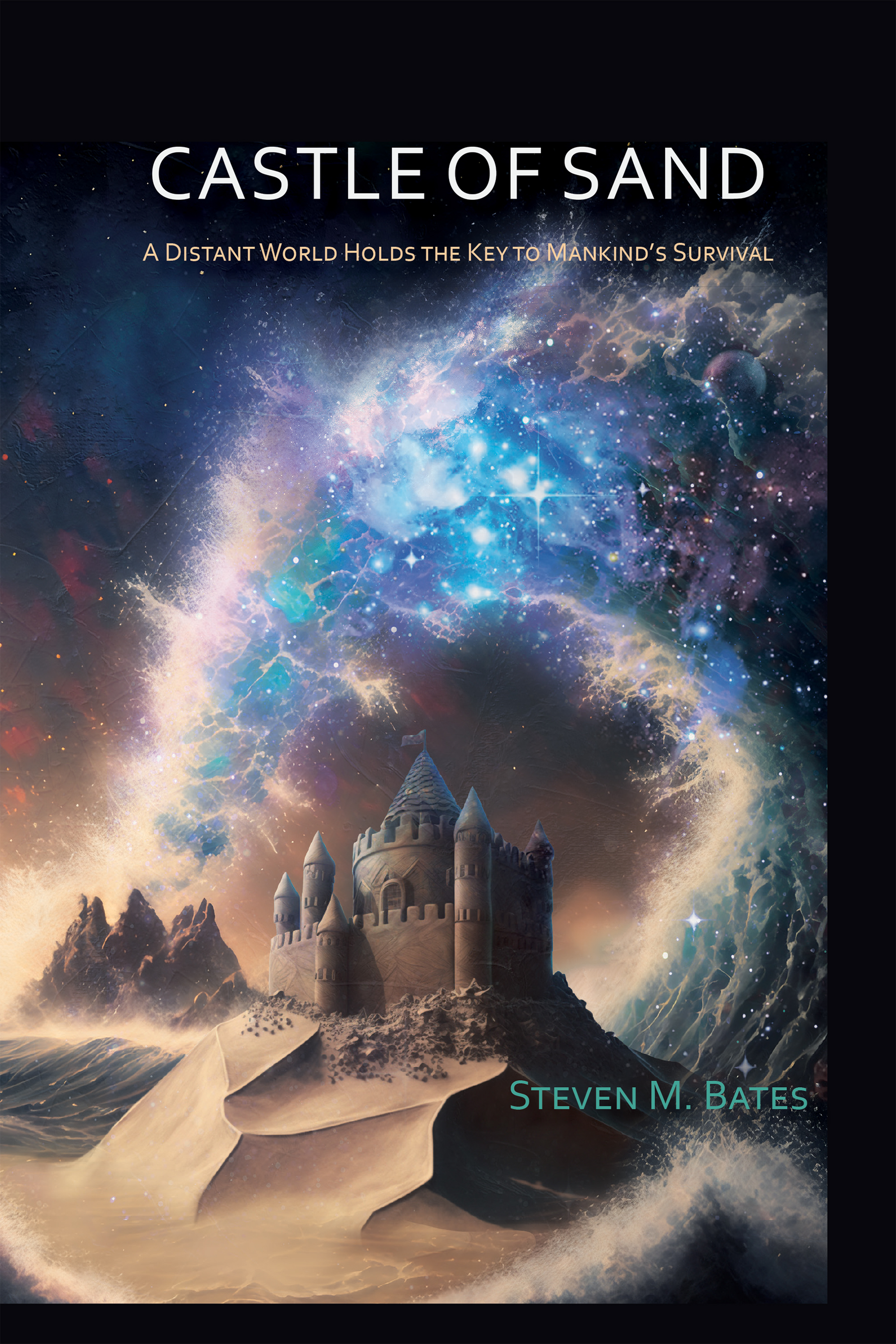
Every story I write has a message, something that I think readers need to hear. Events in my daily life, news from around the world, and interaction with family and friends provide some of the impetus. For example, technological change is proceeding at a rapid rate, and scientific experts can’t assure us that artificial intelligence will treat humans well as it gets smarter and smarter. Castle of Sand offers some lessons about what can happen in the age of AI.
What are some day jobs you have held?
I started my career as a reporter and editor for local newspapers in Northern Virginia. I worked my way up to these same roles at The Washington Post, where I was employed for 14 years. I have also written news and features for magazines and websites. Now I write science fiction exclusively.
Do you work with an outline or plot sketch, or do you prefer to let a general idea guide your writing?
For a short story or a novel, I outline extensively. Having written only two novels so far, I need to know where the story is going, including a general sense of how it will end. And I want to persuade myself that the character arc and story arc will synch up. I know that winging it works well for some of the most gifted authors, but I’m not there yet.
What advice would you give to aspiring authors?
Read a lot. Write a lot. And take chances. Each author needs to find her or his unique voice, and it takes time and effort to develop that. By taking chances, I mean writing in a way that does not read or feel like every other author. Whether it’s the structure of the story or the nature of the characters or the conflict, do something that hasn’t been done before, or do it in a way that hasn’t been done before.
Can you share with readers a little bit about your latest book?
Castle of Sand is a story about a small group of people who try to establish a colony on a distant planet after a pathogen released on Earth threatens to wipe out all human life. They struggle not only with a sentient native race and a planet-wide AI but also with themselves. They use frozen human tissues to create the first generation of post-humans, but it’s really up to one Earth survivor, a soccer mom named Maria, to guide these people through existential challenges.
What made you decide to sit down and actually start writing this book?
I wanted to address the question: What does it mean to be human? We see people given artificial limbs, have their minds linked to computers, and be given other mechanical embellishments. Meanwhile, computers are getting much more powerful, aided by machine learning and tapping into the quantum nature of the universe. It is possible that the lines between humans and machines will start to blur. Are we ready for this?
Tell us more about your main character. What inspired you to develop this character?
Maria Ramos could be any of us. A soccer mom from Columbia, Maryland, she gets caught up in the ark project by pure chance. She wakes up on a remote planet without a body—her mind has been uploaded to a computer so she could survive the centuries-long journey to a new home. She didn’t ask to be the last hope for humanity, but some spark within her motivates her to do everything she can to establish and preserve a colony. I would like to think that any of us would do what Maria does if we were placed in a similar position. In a way, she is like Joan of Arc, who never asked to be a hero but found herself in a unique position in human history.
What is your next project?
I am writing another novel, this one based on Earth about two decades from now. The first conscious AIs have emerged. Most humans have microchips embedded in their brains. It becomes difficult to tell what is real and what is not. I have nearly finished the outline and will start writing soon.
What do you like to read in your free time?
I love to read other science fiction and literary novels, to see how great authors develop characters and stories. But I spend just as much time reading nonfiction books and news articles, to boost my knowledge of scientific events. Some of the most outlandish scenarios of past sci-fi authors have become true, and in a few cases even surpassed, by recent discoveries and theories about the basic nature of the universe.
Who are some of your favorite authors that you feel were influential in your work?
In my younger days, Philip K. Dick was my favorite. His handling of reality was spooky and entertaining and just way out there. In addition, I have been inspired and influenced by writers such as Ursula K. Le Guin, Alice Bradley Sheldon (aka James Tiptree, Jr.), Roger Zelazny, and Dan Simmons.
Want to learn more about Steven?


 Waking Writer
Leave a Comment